



Introduction
A beautifully painted interior can transform any home, giving it a fresh, polished, and inviting look. Achieving flawless walls, however, requires more than just a brush and a can of paint. The key lies in thorough preparation, proper priming, and applying the right pittsburgh interior painting technique. This guide breaks down the essential steps to help you achieve professional-quality results, from surface prep to two-coat perfection.
Step 1: Preparation is Key
Proper preparation is the foundation of a flawless paint job. Skipping this stage often leads to uneven color, peeling, or visible imperfections. Follow these essential steps:
-
Clean the Walls: Remove dust, grease, and grime using a mild detergent solution. Rinse thoroughly and allow walls to dry completely.
-
Repair Imperfections: Fill cracks, dents, and holes with spackle or joint compound. Sand repaired areas smooth once dry.
-
Protect Surfaces: Use painter’s tape to cover trim, moldings, and outlets. Lay down drop cloths to protect floors and furniture.
-
Sand for Smoothness: Lightly sand glossy or rough areas to ensure better paint adhesion. Remove dust with a tack cloth or vacuum.
Step 2: Priming the Walls
Priming is often overlooked, but it is a crucial step that ensures even coverage, enhances adhesion, and prevents stains or previous colors from bleeding through.
-
Choose the Right Primer: Use a quality interior primer suitable for the wall type and paint finish. For new drywall, stain-prone walls, or patched areas, a high-quality primer is essential.
-
Apply Evenly: Use a roller for large areas and a brush for edges and corners. Aim for a uniform coat without drips or streaks.
-
Drying Time: Allow the primer to dry completely before applying paint. Check the manufacturer’s instructions for recommended drying times.
Step 3: Mastering Two-Coat Painting
Applying two coats of paint ensures depth, richness, and a smooth, professional finish.
-
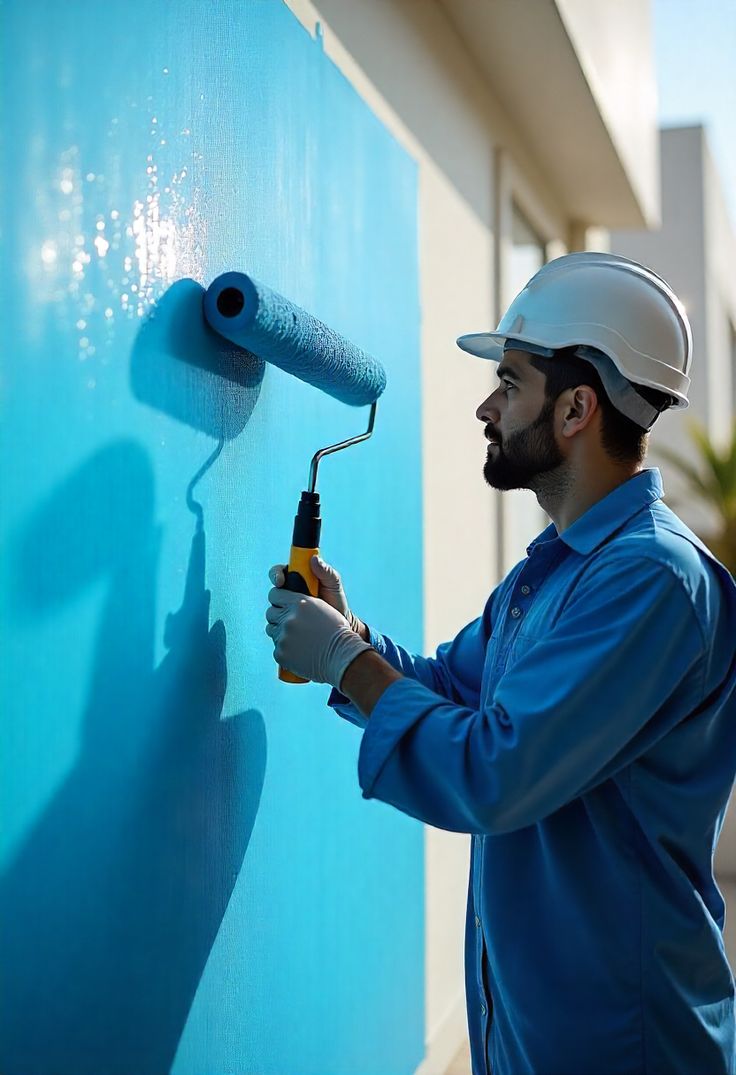
First Coat: Apply paint using a roller in a ‘W’ or ‘M’ motion to distribute evenly. Use a brush for edges and corners. Don’t overwork the paint, as this can cause streaks.
-
Dry and Inspect: Let the first coat dry fully. Inspect for missed spots, streaks, or uneven coverage. Lightly sand if necessary to smooth imperfections.
-
Second Coat: Apply the second coat in the same manner, ensuring even coverage. The second coat will enhance color vibrancy and provide a flawless, uniform finish.
Tips for a Professional Finish
-
Use Quality Tools: High-quality brushes and rollers make a significant difference in smoothness and paint coverage.
-
Maintain a Wet Edge: Work in small sections to avoid lap marks by keeping a wet edge while rolling or brushing.
-
Thin, Even Layers: Apply paint in thin, even layers rather than thick coats to prevent drips and uneven texture.
-
Ventilation: Ensure proper ventilation during painting to speed drying and reduce odors.
Common Mistakes to Avoid
-
Skipping prep or primer, leading to uneven texture or color bleed.
-
Using low-quality paint or tools, resulting in streaks or poor coverage.
-
Rushing between coats, which can cause peeling or inconsistent finish.
-
Overloading the brush or roller with paint, causing drips and splatters.
Conclusion
Achieving flawless interior walls is a matter of careful preparation, proper priming, and applying two even coats of paint with the right technique. By following this step-by-step approach, homeowners can transform their spaces with a professional-quality finish that enhances both beauty and value. Taking the time to prep, prime, and paint carefully ensures walls that are smooth, vibrant, and built to last.
