



Introduction
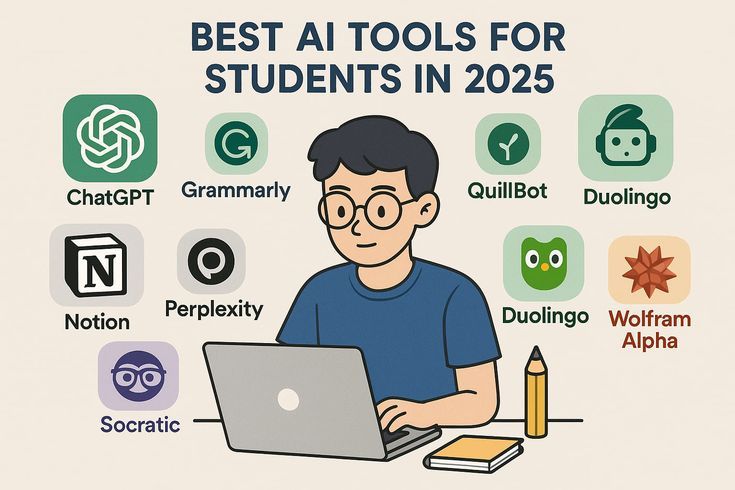
Educational disparities continue to challenge classrooms worldwide, leaving underserved students at a disadvantage. In 2025, personalized AI studying tools offer a promising solution, providing adaptive learning experiences, targeted interventions, and accessible resources that can help close the achievement gap best ai for students. By tailoring instruction to individual needs, AI has the potential to level the playing field for all learners.
Understanding the Achievement Gap
The achievement gap refers to differences in academic performance between groups of students, often influenced by:
- Socioeconomic status
- Access to quality educational resources
- Teacher availability and support
- Language barriers or learning differences
Traditional teaching methods can struggle to address these disparities, especially when classrooms are large or resources limited.
How AI Personalization Supports Underserved Students
1. Adaptive Learning Paths
- AI analyzes student performance and adjusts content difficulty in real time.
- Learners receive exercises suited to their skill level, helping them build confidence and competence gradually.
- Example: A student struggling with reading comprehension can receive simplified passages and scaffolded questions until mastery is achieved.
2. 24/7 Access to Learning Resources
- AI platforms provide anytime, anywhere access to lessons, practice exercises, and explanations.
- Students in remote or under-resourced areas can learn independently without relying solely on in-person instruction.
3. Immediate Feedback and Remediation
- AI provides instant corrections and explanations, allowing students to learn from mistakes in real time.
- Personalized feedback targets knowledge gaps that might otherwise go unnoticed in large classrooms.
4. Multimodal Support
- AI tools offer content in various formats: text, audio, video, and interactive simulations.
- This approach accommodates different learning styles and needs, including ESL learners or students with learning disabilities.
5. Tracking and Insights for Educators
- AI analytics highlight struggling students and monitor progress over time.
- Teachers can intervene strategically, offering additional support where it is most needed.
6. Encouraging Self-Paced and Self-Directed Learning
- Underserved students often face external challenges like work commitments or family responsibilities.
- AI allows learners to study at their own pace, empowering them to take control of their education.
Benefits of Personalized AI for Equity in Education
- Improved Academic Outcomes: Tailored instruction increases comprehension, retention, and confidence.
- Bridging Resource Gaps: Access to high-quality AI tutors compensates for limited school resources.
- Enhanced Motivation: Students feel supported and capable, reducing dropout risk.
- Teacher Support: AI frees teachers to focus on mentorship and targeted interventions.
- Long-Term Skill Development: Promotes critical thinking, problem-solving, and independent learning habits.
Best Practices for Implementation
- Select Ethical, Inclusive AI Tools: Prioritize platforms that protect privacy and reflect diverse perspectives.
- Combine AI with Human Support: Ensure students still receive mentorship, guidance, and social-emotional learning.
- Train Educators: Equip teachers to integrate AI insights effectively into instruction.
- Monitor Equity Outcomes: Regularly assess whether AI tools are improving achievement across all student groups.
- Encourage Student Agency: Teach learners to use AI tools responsibly and reflect on their progress.
Conclusion
Personalized AI studying has the potential to transform education for underserved students, providing tailored support, accessible resources, and opportunities for mastery that traditional methods may not consistently deliver. By combining adaptive AI tools with thoughtful human guidance, educators in 2025 can close the achievement gap, empower students, and foster equitable learning opportunities, ensuring that all learners have the tools and support to succeed academically.
