



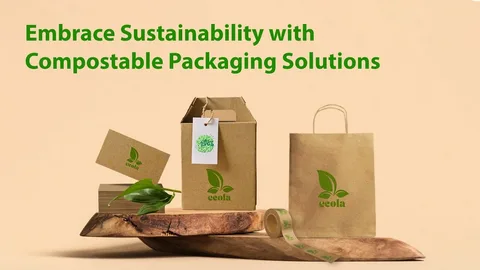
In the modern business landscape, sustainability is no longer just a compliance requirement—it is a strategic brand differentiator. For B2B companies, sustainable packaging solutions are increasingly shaping buyer expectations, purchase intent, and long-term loyalty. Beyond their environmental impact, eco-friendly packaging innovations influence how clients perceive credibility, trustworthiness, and value. This article explores the psychology behind sustainable packaging, the leading solution categories, ways to measure impact, best practices for rollout, and real-world examples that prove packaging innovation is a business growth enabler.
The Psychology Behind Sustainable Packaging Solutions
Emotional Resonance
Symbols such as “100% recycled” or green-certified logos reinforce shared environmental values. They trigger positive emotions, increasing the chance of repeat purchasing and brand advocacy.
Trust Signals
Certifications like FSC®, Cradle to Cradle®, or TÜV provide proof that sustainability claims are real. When transparent material details are displayed, clients are more likely to trust the brand and form stronger partnerships.
The Halo Effect
Eco-friendly design often elevates perceptions of product quality. Buyers associate sustainable packaging solutions with innovation, reliability, and forward-thinking practices.
Quality Premium
Research shows more than 80% of business buyers are willing to pay extra for eco-conscious solutions, which positions sustainability not as a cost burden but as a revenue driver.
Types of Sustainable Packaging Solutions
B2B organizations must navigate multiple eco-friendly pathways. The right solution depends on product category, supply chain logistics, and end-user behavior.
Recycled & Recyclable Packaging
● Post-Consumer Recycled Content (PCR): Reduces virgin material usage and cuts emissions.
● Design for Disassembly: Simple separation features make recycling seamless.
● Material Lightweighting: CAD-driven designs minimize inputs without compromising strength.
● Clear Recycling Instructions: QR-coded guidelines help buyers comply with localized disposal rules.
Biodegradable & Compostable Packaging
● Innovative Materials: PLA, starch-based polymers, and mushroom mycelium adapt to diverse product needs.
● Industrial vs. Home Composting: Packaging performance differs in controlled facilities versus household environments.
● Waste Diversion Metrics: Brands track diverted waste to prove measurable impact.
● Regulatory Compliance: Meeting European PPWR and Californian composting laws ensures market readiness.
Reusable & Refillable Packaging
● Return-and-Refill Models: Industrial suppliers are shifting to closed-loop systems to reduce single-use packaging.
● Lifecycle Analysis: Refillable containers often cut total costs by over 30% compared to single-use equivalents.
● Customizable Branding: Exchangeable labels allow co-branding opportunities for partners.
● Reverse Logistics: Efficient collection systems lower transportation emissions by up to 40%.
Case Example: A lubricant company switched to refillable drums, delivering 35% savings and a 25-point uplift in buyer loyalty within six months.
Measuring the Impact on B2B Buyer Perception
Convincing leadership to invest in sustainable packaging solutions requires quantifiable evidence.
● Net Promoter Score (NPS): Green packaging often lifts NPS by double digits.
● Purchase Intent Surveys: Data shows around 68% of B2B buyers rank eco-packaging as a key decision factor.
● Social Sentiment Analysis: Monitoring forums and LinkedIn reveals how sustainability improves brand reputation.
● Sales Lift & ROI: Companies adopting eco-packaging frequently see double-digit order growth post-launch.
● Environmental KPIs: Reporting reductions in carbon emissions and waste diversion enhances client sustainability dashboards.
Best Practices for Implementing Green Packaging
B2B brands see the strongest results when sustainable packaging is integrated strategically rather than applied superficially.
Cross-Functional Collaboration
Engage procurement, R&D, marketing, and sustainability teams early to avoid silos and misaligned KPIs.
Supplier Vetting & Certification
Work with vendors who provide verified sustainability credentials and regularly audit compliance.
Rapid Prototyping & Testing
Use prototype mockups, structural testing, and real-world stress simulations to validate durability and compliance.
Client Education
Train B2B buyers through webinars, guides, and videos on how to recycle or refill packaging effectively.
Continuous Optimization
Quarterly reviews and KPI dashboards help refine packaging strategies, making sustainability an ongoing process rather than a one-time initiative.
Conclusion
For forward-thinking B2B brands, sustainable packaging solutions are not simply a compliance checkbox—they are a strategic accelerator of brand value and buyer trust. By embedding recycled, biodegradable, and refillable systems into packaging design, companies gain measurable cost benefits, higher brand perception, and stronger client loyalty. Beyond ticking sustainability boxes, eco-packaging acts as a business growth enabler—amplifying reputation, boosting sales, and securing long-term market leadership.
