



Nestled deep within Egypt’s Western Desert, near the Libyan border, Siwa Oasis stands as one of the country’s most enchanting destinations for camping enthusiasts and adventure seekers. This remote paradise, isolated from mainstream tourism and modern development until the 1980s, offers travelers an authentic experience that combines ancient history, stunning natural landscapes, and the warm hospitality of Bedouin culture. Camping Siwa is not just accommodation, it’s an immersive journey into one of Egypt’s best-kept secrets.
The Magic of Siwa Oasis
Siwa Oasis presents a dramatic contrast to Egypt’s bustling cities and conventional tourist destinations. Located approximately 600 kilometers from Cairo, this isolated haven features lush palm groves, crystal-clear natural springs, and distinctive mud-brick architecture that has remained largely unchanged for centuries. The oasis is surrounded by the vast Great Sand Sea, one of the world’s largest dune fields, creating an otherworldly landscape where golden sands meet verdant vegetation.
What makes camping in Siwa particularly special is the oasis’s preserved authenticity. The local Amazigh population has maintained their unique cultural traditions, language, and way of life, offering visitors a glimpse into a world that feels removed from time. When you camp under Siwa’s star-filled skies, you’re experiencing the desert much as travelers have for thousands of years, yet with the comfort and guidance of experienced local hosts.
Types of Camping Experiences in Siwa
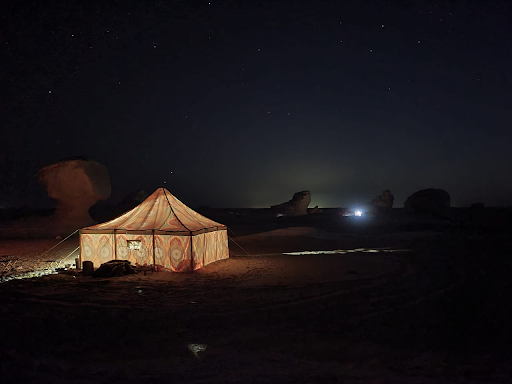
Siwa offers diverse camping options to suit different preferences and budgets. Traditional desert camping involves setting up tents in the Great Sand Sea, where you’ll sleep directly under the Milky Way with nothing but sand dunes surrounding you. This raw, authentic experience allows you to disconnect completely from modern life and reconnect with nature. Many tour operators provide full camping equipment, meals, and Bedouin guides who share stories around evening campfires accompanied by traditional Libyan and Amazigh music.
For those seeking more comfort, Siwa features numerous established camps and eco-lodges that blend rustic charm with modern amenities. Properties like Siwa Astro Camp and Forest Camp offer semi-permanent structures with shared or private facilities, outdoor swimming pools, and communal spaces perfect for socializing. These camps provide the camping atmosphere while offering conveniences like hot showers, electricity, and comfortable bedding ideal for travelers who want to experience the desert without sacrificing too much comfort.
Adventure camping packages typically include multi-day safaris into the Great Sand Sea. These expeditions involve traveling by 4×4 vehicles through towering sand dunes, visiting remote hot and cold springs like Bir Wahed, and camping at different locations each night. The combination of desert exploration, sandboarding down massive dunes, and sleeping under billions of stars creates an unforgettable adventure that appeals to thrill-seekers and nature lovers alike.
What to Experience While Camping in Siwa
The camping experience in Siwa extends far beyond sleeping in tents. The oasis is home to remarkable historical sites that date back thousands of years. The Temple of the Oracle of Amun, where Alexander the Great famously sought guidance in 331 BCE, stands as a testament to Siwa’s ancient importance. Exploring these ruins while based at your campsite adds a profound historical dimension to your desert adventure.
Natural wonders abound throughout Siwa Oasis. Cleopatra’s Spring, according to local legend, was where the Egyptian queen herself once bathed. This natural pool fed by underground springs maintains a refreshing temperature year-round and provides a welcome respite from desert heat. The numerous salt lakes surrounding Siwa offer another unique experience; their high mineral content allows visitors to float effortlessly on the surface, much like the Dead Sea. These lakes are believed to have therapeutic properties, making them popular for relaxation and natural healing.
The landscape itself provides endless opportunities for exploration and photography. Shali Fortress, constructed from kershef (a mixture of salt and mud), rises dramatically from the oasis center, offering panoramic views particularly stunning at sunset. The Mountain of the Dead contains ancient tombs carved into rock faces, decorated with hieroglyphics that provide insight into the religious and daily life of ancient Egyptians. Fatnas Island and Breezy Island offer serene settings surrounded by palm trees where you can watch the sun paint the sky in brilliant oranges and pinks.
Desert Safari Adventures
No camping experience in Siwa is complete without venturing into the Great Sand Sea. These desert safaris typically involve riding in 4×4 vehicles across seemingly endless dunes that can reach heights of several hundred meters. The sensation of cresting a massive sand dune and seeing nothing but golden waves stretching to the horizon is truly breathtaking. Many tours include sandboarding opportunities, allowing you to surf down the dunes for an adrenaline-pumping experience.
The safaris often include visits to geological wonders and fossil sites that reveal the desert’s ancient past. Millions of years ago, this entire region was covered by ocean, and evidence of marine life can still be found embedded in rocks throughout the area. Your Bedouin guides share their extensive knowledge of desert navigation, survival techniques, and the ecological systems that allow life to persist in this harsh environment.
Evening desert camps are highlights of these safaris. As the sun sets, guides prepare traditional Bedouin dinners over open fires. You’ll feast on grilled meats, fresh vegetables, and traditional Egyptian dishes while sitting on carpets spread across the sand. After dinner, the entertainment begins with traditional music performed on local instruments, storytelling sessions about Siwa’s legends and history, and the serving of Siwi tea flavored with liwiza (a local herb). As night deepens, the absence of light pollution reveals a spectacular celestial display: the Milky Way stretches across the sky so vividly that you can distinguish individual stars within it.
Cultural Immersion Through Camping
Camping in Siwa provides unparalleled opportunities for cultural exchange with the local Bedouin community. The people of Siwa are renowned for their hospitality, welcoming visitors into their world with genuine warmth. Many camps are owned and operated by local families who take pride in sharing their heritage. You’ll learn about traditional crafts including intricate silver jewelry, woven baskets from palm fronds, and embroidered textiles featuring distinctive Siwan patterns.
The culinary experience while camping introduces you to authentic Siwan cuisine, which differs significantly from food found elsewhere in Egypt. Breakfast might include fresh dates from local palms, olives pressed into oil at traditional mills, and freshly baked bread. Lunch and dinner feature dishes prepared using centuries-old recipes, including meat cooked underground using heated rocks, a method that results in incredibly tender and flavorful results. Vegetarian and vegan options incorporating local produce are typically abundant.
Language offers another fascinating cultural element. While Arabic is spoken throughout Egypt, Siwa’s indigenous population speaks Siwi, an Amazigh language that maintains connections to North Africa’s broader Berber culture. Most camp operators speak English, but learning a few phrases in Siwi or Arabic enhances your interactions and is greatly appreciated by locals.
Planning Your Camping Trip to Siwa
Getting to Siwa requires commitment given its remote location, but the journey itself forms part of the adventure. Most travelers depart from Cairo, with the drive taking approximately eight to ten hours. The route passes through Marsa Matrouh, a coastal city, before heading south into the desert. Many camping packages include transportation from Cairo, with comfortable buses making the overnight journey so you arrive in Siwa ready to begin exploring.
Timing your visit affects the experience significantly. The best months for camping in Siwa are between October and April when temperatures are moderate, ranging from pleasantly warm during the day to cool at night. Summer months from May to September see extreme heat, with temperatures frequently exceeding 40 degrees Celsius, making camping uncomfortable and potentially dangerous. Winter nights can be surprisingly cold, dropping close to freezing, so proper sleeping bags and warm clothing are essential during December through February.
Packing appropriately ensures comfort throughout your camping adventure. Essential items include lightweight, breathable clothing for daytime, warm layers for evenings, a hat and sunglasses for sun protection, and sturdy shoes suitable for walking on sand. A headlamp or flashlight proves invaluable around camp at night. High SPF sunscreen and lip balm with sun protection are crucial given the intense desert sun. Don’t forget any personal medications and basic toiletries. Most importantly, bring a quality camera or smartphone to capture the incredible landscapes and memorable moments.
Sustainable and Responsible Camping
As Siwa’s popularity grows among travelers seeking authentic experiences, practicing responsible tourism becomes increasingly important. The fragile desert ecosystem and traditional culture face pressures from development and increased visitation. When selecting camping operators, choose companies that demonstrate environmental commitment through practices like proper waste disposal, limiting group sizes, and using renewable energy sources where possible.
Respect for local customs is paramount. Siwa remains a conservative community where traditional Islamic values are observed. Modest dress is expected when visiting the town, with both men and women covering shoulders and knees. When swimming at springs, respect designated areas and times for different genders. Photography of local people should only occur with explicit permission, as many Siwans prefer not to be photographed for cultural and religious reasons.
Environmental stewardship ensures that future generations can enjoy Siwa’s natural beauty. Never leave trash in the desert or around camping sites. Follow the principle of leaving no trace. Avoid disturbing archaeological sites or removing any artifacts, stones, or plants from protected areas. Water is precious in the desert, so use it sparingly. Support local businesses by purchasing handicrafts directly from artisans and dining at locally-owned restaurants when in town.
Conclusion
Camping Siwa Oasis represents far more than simply sleeping outdoors in a beautiful location. It offers a transformative experience that combines adventure, history, culture, and natural wonder in ways few other destinations can match. Whether you choose to spend your nights in luxury eco-lodges with modern amenities or rough it in tents beneath the stars in the Great Sand Sea, Siwa delivers memories that last a lifetime.
The combination of ancient historical sites dating back millennia, therapeutic natural springs, warm Bedouin hospitality, and the vast silence of the surrounding desert creates a setting for genuine disconnection from everyday life and reconnection with what matters. As you watch the sunset paint the dunes in impossible colors, share meals prepared over campfires, and gaze at stars so numerous they seem to blanket the entire sky, you’ll understand why Siwa remains one of Egypt’s most treasured destinations.
For travelers seeking authenticity in an increasingly homogenized world, camping in Siwa Oasis offers exactly that a chance to experience Egypt as it has been for centuries, where time moves slowly, communities remain tight-knit, and the desert teaches lessons about simplicity, resilience, and the enduring beauty of the natural world. Start planning your Siwa camping adventure today and discover why this remote oasis captures the hearts of all who venture to its sandy shores.
Frequently Asked Questions
Q: How long should I plan for a camping trip to Siwa? Most travelers find that 3-4 days provides sufficient time to experience Siwa’s major attractions while allowing for a desert camping adventure. This includes one day for travel from Cairo, two full days for exploration and desert safaris, and one day for the return journey. Extended trips of 5-7 days allow for a more relaxed pace and deeper immersion in Siwan culture.
Q: Is camping in Siwa safe? Yes, camping in Siwa is generally very safe when organized through reputable tour operators. The local Bedouin guides are experienced desert travelers who prioritize guest safety. Organized camps have security measures in place, and the local community is welcoming to tourists. However, always follow your guide’s instructions, stay in designated camping areas, and inform someone of your itinerary.
Q: What is the average cost of camping in Siwa? Costs vary significantly based on the type of experience. Budget camping in basic shared facilities can start around $30-50 per night per person, while mid-range eco-camps typically cost $80-150 per night. Luxury eco-lodges can exceed $200 per night. Multi-day safari packages including transportation from Cairo, all meals, camping equipment, and guided tours generally range from $200-500 per person for 3-4 days.
Q: Do I need special permits to camp in Siwa? Individual travelers don’t typically need special permits, as this is handled by tour operators. However, camping in certain protected areas or deep in the Great Sand Sea requires permissions that reputable tour companies obtain on behalf of their guests. It’s another reason to book through established operators rather than attempting independent desert camping.
Q: What wildlife might I encounter while camping in Siwa? The Western Desert around Siwa hosts various adapted wildlife including desert foxes, jerboa (desert rats), various lizard species, scorpions, and numerous bird species. While most animals are nocturnal and shy around humans, it’s wise to shake out shoes and check sleeping areas, especially in more rustic camping setups. Dangerous encounters are rare but taking basic precautions is recommended.
Q: Can I visit Siwa and go camping independently without a tour? While possible to visit Siwa independently and stay at established camps in town, venturing into the Great Sand Sea for desert camping absolutely requires experienced guides and proper 4×4 vehicles. The desert environment is unforgiving, with no marked roads, GPS signals can be unreliable, and survival without local knowledge is genuinely dangerous. Even experienced outdoor enthusiasts should book organized tours for desert camping.
Q: What’s the best way to communicate in Siwa if I don’t speak Arabic? English is widely spoken among tourism operators, camp staff, and guides in Siwa. Younger generations have particularly good English skills. However, learning basic Arabic greetings and phrases enhances your experience and is appreciated by locals. Mobile phone coverage is limited but available in town, though expect no signal deep in the desert. Most camps offer WiFi, though connections may be slow or intermittent.
