



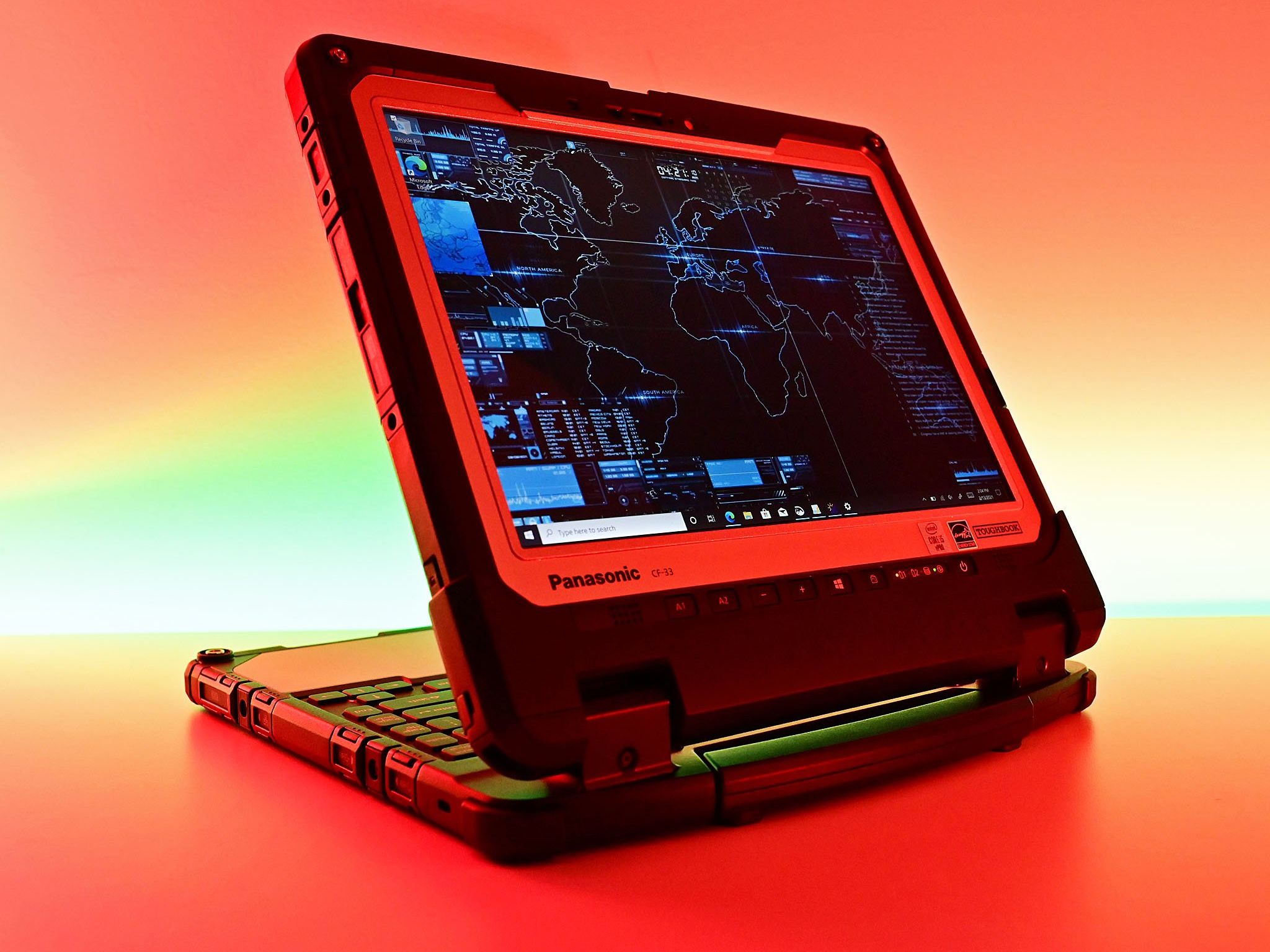
As industries continue to evolve, the need for reliable computing solutions in challenging environments has never been greater. Professionals working in sectors such as utilities, defense, manufacturing, emergency response, and field services depend on technology that can operate consistently under physical stress, environmental extremes, and nonstop workloads. This growing demand has positioned rugged laptops as essential tools rather than niche equipment. Among these solutions, the panasonic toughbook cf-33 has emerged as a benchmark for fully rugged 2-in-1 computing, offering durability, flexibility, and performance for mission-critical operations.
The Shift Toward Rugged Mobile Computing
Traditional consumer laptops are designed for climate-controlled environments and limited mobility. In contrast, field professionals often work outdoors, in industrial spaces, or in unpredictable conditions where dust, moisture, vibration, and impact are unavoidable. As a result, organizations are increasingly turning to rugged computing hardware that is specifically engineered to withstand these challenges.
Rugged laptops are no longer viewed as optional upgrades; they are strategic investments. Downtime caused by device failure can disrupt operations, delay critical decisions, and increase operational costs. A reliable rugged device ensures continuity, accuracy, and efficiency in environments where failure is simply not acceptable.
Fully Rugged Construction Built for Real-World Conditions
One of the defining traits of enterprise-grade rugged laptops is their ability to survive where standard devices cannot. Fully rugged systems are designed and tested to meet strict military and industrial durability standards. This includes resistance to drops, vibration, extreme temperatures, water intrusion, and airborne particles.
Such durability makes rugged laptops especially valuable in environments like job sites, factories, vehicles, and outdoor installations. Professionals can operate confidently knowing their device will continue functioning despite exposure to physical stress. This level of reliability supports both safety and productivity, especially in high-risk or time-sensitive applications.
Versatility Through a Detachable 2-in-1 Design
Modern workflows demand adaptability. A fixed form factor often limits efficiency when tasks vary throughout the day. Rugged 2-in-1 laptops address this challenge by combining the power of a traditional laptop with the flexibility of a tablet.
The detachable design allows users to switch seamlessly between keyboard-based input and touchscreen interaction. This is especially useful for inspections, data capture, digital signatures, and mobile documentation. Whether mounted in a vehicle, carried across a job site, or used at a workstation, a rugged 2-in-1 device adapts to the task instead of slowing it down.
Performance Designed for Mission-Critical Operations
In demanding environments, performance consistency matters just as much as raw power. Rugged laptops must deliver stable computing performance while maintaining energy efficiency and thermal reliability. Field applications often involve database access, diagnostics, mapping software, and real-time communication with central systems.
Long battery life is another critical requirement. Extended shifts and remote work locations make frequent charging impractical. Hot-swappable battery options further support continuous operation without interruption. Additionally, outdoor-readable displays and responsive touchscreens allow professionals to work effectively in bright sunlight or adverse weather conditions.
Customization and Expandability for Industry Needs
Every organization has unique operational requirements, which makes customization an essential feature of rugged computing hardware. Expandable ports, modular components, and configurable hardware options allow companies to tailor devices to their existing infrastructure.
Support for specialized peripherals, legacy systems, and secure communication modules ensures compatibility across industries. Security also plays a major role, particularly for government agencies and enterprises handling sensitive data. Hardware-level security features help protect information while supporting compliance with regulatory standards.
This ability to customize and expand extends the lifespan of rugged devices and maximizes return on investment by reducing the need for frequent replacements or upgrades.
Evaluating Long-Term Value Over Initial Cost
Rugged laptops are often perceived as costly when compared to consumer devices. However, initial purchase price does not reflect total cost of ownership. Consumer laptops frequently fail when exposed to harsh conditions, resulting in repairs, replacements, lost productivity, and operational delays.
Rugged computing hardware is designed for longevity. Lower failure rates, extended lifecycle support, and reduced downtime make rugged laptops a cost-effective solution in the long term. Organizations that rely on dependable performance often find that rugged devices deliver greater value over time despite higher upfront costs.
Conclusion and Call to Action
Selecting the right rugged laptop is a critical decision for organizations operating in demanding environments. Durability, adaptability, performance, and long-term reliability all play a role in ensuring that technology supports—not hinders—daily operations. A fully rugged 2-in-1 laptop provides the flexibility and resilience modern professionals need to remain productive wherever their work takes them.
For organizations seeking dependable rugged computing solutions supported by expert configuration and industry knowledge, Rugged Computing, Inc offers access to enterprise-grade hardware designed to perform under the toughest conditions. Explore rugged laptop solutions that are built for real-world challenges and invest in technology that keeps your operations moving forward.
