



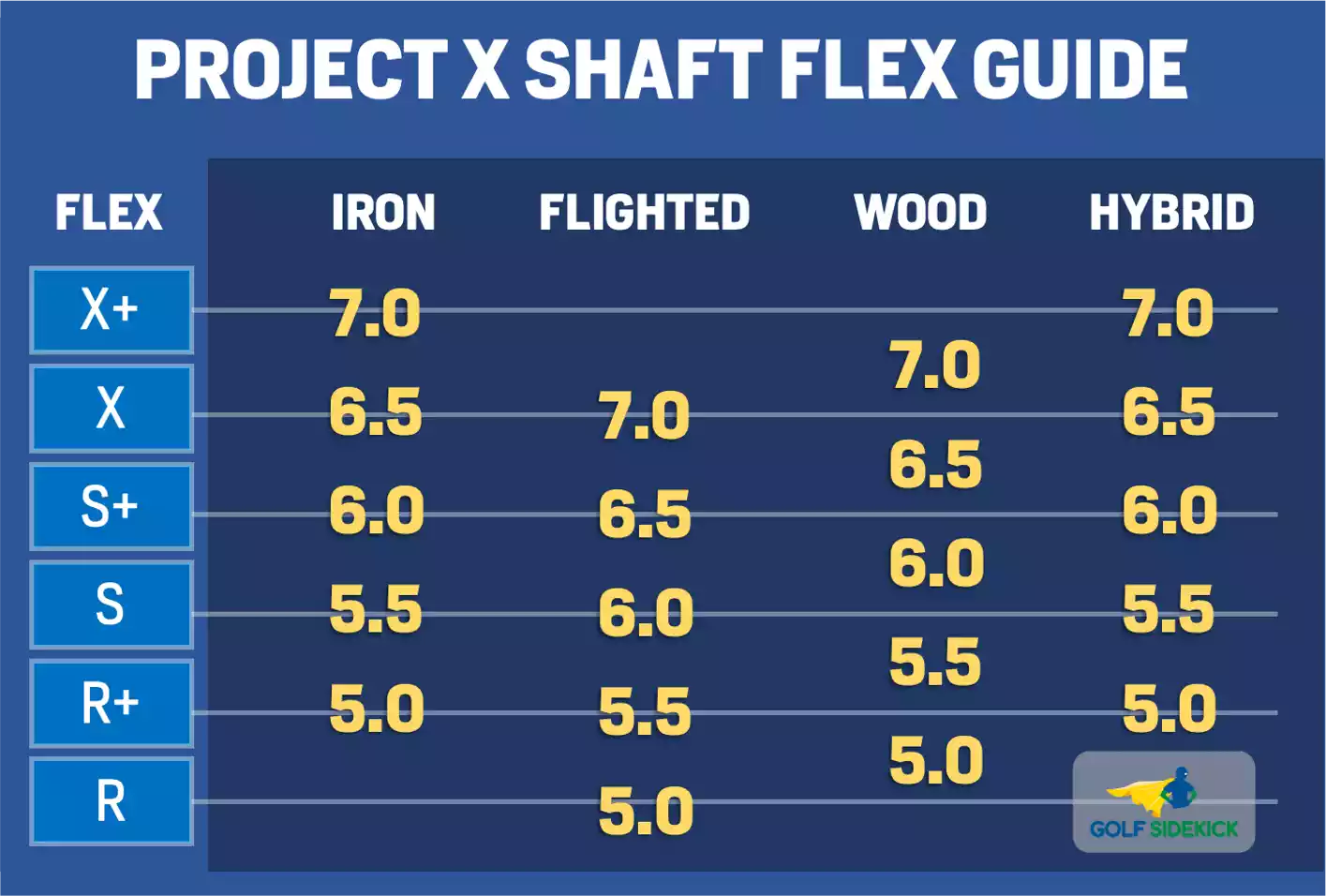
Understanding golf shaft flex numbers is essential for golfers who want to optimize their performance on the course. While many players focus on clubheads and ball selection, the shaft plays a crucial role in determining distance, accuracy, and overall feel. Shaft flex numbers can seem confusing at first, but once you understand how they work, choosing the right shaft becomes much easier.
What Is Golf Shaft Flex?
Shaft flex refers to how much a golf shaft bends during the swing. The amount of flex affects how the clubhead delivers energy to the ball at impact. A shaft that matches your swing speed and tempo can help you hit longer, straighter, and more consistent shots.
Shaft flex is typically categorized into different levels, each designed for specific swing speeds and player types.
Common Shaft Flex Categories
Most golf shafts fall into these standard flex categories:
- L (Ladies Flex) – Designed for slower swing speeds, often below 70 mph.
- A (Senior or Amateur Flex) – Suitable for moderate swing speeds, typically 70–85 mph.
- R (Regular Flex) – Ideal for average golfers with swing speeds around 85–100 mph.
- S (Stiff Flex) – For faster swing speeds, usually 100–115 mph.
- X (Extra Stiff Flex) – Built for very fast swing speeds, often above 115 mph, commonly used by professional players.
These categories help golfers choose a shaft that complements their swing characteristics.
What Do Shaft Flex Numbers Mean?
In addition to letter-based flex ratings, many manufacturers use numerical systems to describe shaft stiffness. These numbers often represent:
- Frequency (CPM – Cycles Per Minute): A measurement of how stiff a shaft is when oscillated. Higher CPM means a stiffer shaft.
- EI Profiles: Engineering data that shows stiffness distribution along the shaft’s length.
- Torque Ratings: Measured in degrees, indicating how much the shaft twists during the swing. Lower torque means less twisting and more control.
These numerical values provide a more precise way to compare shafts beyond basic flex labels.
Why Shaft Flex Matters
Choosing the right shaft flex can significantly impact your performance. Here’s how:
Distance
A shaft that is too stiff may reduce distance because it doesn’t load and unload properly during your swing. Conversely, a shaft that is too flexible may cause inconsistent contact and ballooning ball flights.
Accuracy
Incorrect flex can lead to directional issues. Too much flex may cause hooks, while overly stiff shafts can cause fades or slices.
Feel and Consistency
The right flex provides a smooth feel and consistent timing, helping you repeat your swing more effectively.
How to Determine Your Ideal Shaft Flex
1. Swing Speed
Swing speed is the most common factor in determining shaft flex. You can measure swing speed using a launch monitor or at a golf fitting center.
2. Tempo and Transition
Golfers with smooth tempos may benefit from slightly more flexible shafts, while aggressive transitions often require stiffer shafts for control.
3. Shot Shape
If you consistently hook or slice, adjusting shaft flex may help correct your ball flight.
4. Club Type
Drivers often require different flex considerations than irons or wedges. Many golfers use slightly stiffer shafts in drivers and fairway woods.
Shaft Flex vs. Shaft Weight
While flex is important, shaft weight also plays a critical role. Lighter shafts can increase swing speed, while heavier shafts provide more control and stability. The best shaft choice balances flex, weight, and feel.
Myths About Shaft Flex Numbers
Myth 1: Stiffer Is Always Better
Many golfers believe stiff shafts are superior. In reality, using a shaft that is too stiff can hurt distance and consistency.
Myth 2: Flex Labels Are Universal
Flex ratings vary between manufacturers. A “Regular” shaft from one brand may feel like a “Stiff” from another. Numerical data and fitting are more reliable.
Myth 3: Beginners Don’t Need Proper Flex
Even beginners benefit from the right shaft flex. Proper fitting helps build good swing habits from the start.
Benefits of Choosing the Right Shaft Flex
- Increased distance and accuracy
- Better shot consistency
- Improved feel and confidence
- Reduced strain and fatigue during play
Golfers who switch to the correct shaft flex often see immediate improvements in performance.
Getting Professionally Fitted
While charts and guidelines are helpful, professional club fitting is the most accurate way to determine the right shaft flex. Fitters use launch monitors, swing analysis, and player feedback to recommend the best shaft specifications.
Custom fitting ensures that shaft flex, weight, length, and lie angle all work together to maximize performance.
Final Thoughts
Understanding golf shaft flex numbers is a key step toward improving your game. By choosing a shaft that matches your swing speed, tempo, and playing style, you can unlock more distance, accuracy, and consistency. Whether you’re upgrading your driver or building a custom set of irons, paying attention to shaft flex can make a significant difference in your performance on the course. For expert guidance, fitting resources, and high-quality golf components, explore Hireko Golf for comprehensive club-building and fitting solutions.
