



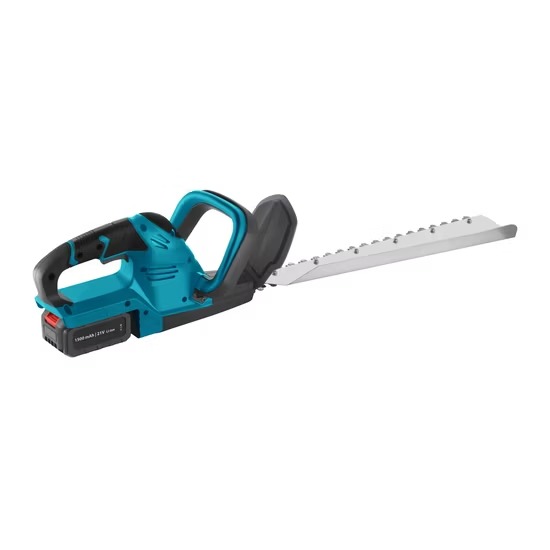
Maintaining a neat and healthy garden often requires the right tools, and an electric hedge trimmer is one of the most useful for shaping and trimming hedges. While this tool makes gardening faster and more efficient, safety should always come first. Understanding the Electric Hedge Trimmer Safety Tips Every Gardener Should Know can help prevent injuries and ensure a smooth trimming experience.
In this guide, we’ll explore essential safety practices that every gardener should follow when using an electric hedge trimmer.
Why Safety Matters When Using an Electric Hedge Trimmer
Electric hedge trimmers are powerful tools with sharp blades designed to cut through thick branches and dense foliage. Without proper handling, they can pose serious risks. Following the Electric Hedge Trimmer Safety Tips Every Gardener Should Know not only protects you but also improves the effectiveness of your gardening work.
Taking a few precautions before and during trimming can significantly reduce accidents and equipment damage.
Wear Proper Protective Gear
Before starting your trimming work, make sure you are wearing the right protective equipment. This is one of the most important Electric Hedge Trimmer Safety Tips Every Gardener Should Know.
Recommended protective gear includes:
- Safety gloves to protect your hands from cuts and vibrations
- Safety glasses or goggles to shield your eyes from flying debris
- Long sleeves and pants to protect your skin
- Non-slip shoes for better stability while working
Protective gear adds an important layer of safety and reduces the chances of injury.
Inspect the Hedge Trimmer Before Use
Always check your electric hedge trimmer before turning it on. A quick inspection ensures that the tool is functioning properly and safely.
Things to check include:
- Loose or damaged blades
- Frayed electrical cords
- Dirt or debris stuck in the blades
- Proper blade lubrication
This simple habit is among the key Electric Hedge Trimmer Safety Tips Every Gardener Should Know, as it helps prevent mechanical problems during operation.
Keep a Safe Working Area
A cluttered workspace increases the risk of accidents. Before trimming, clear the area of obstacles such as rocks, garden tools, toys, or wires.
Also make sure that:
- Children and pets stay away from the trimming area
- You have stable footing while working
- There are no electrical hazards nearby
Maintaining a safe environment allows you to focus entirely on trimming your hedges.
Use Proper Trimming Techniques
Good technique is essential for both safety and better trimming results.
Follow these guidelines:
- Hold the hedge trimmer firmly with both hands
- Keep the blades away from your body
- Cut at a comfortable height to maintain balance
- Move slowly and steadily while trimming
Avoid reaching too far or trimming above shoulder height, as this can lead to loss of control.
Turn Off the Trimmer When Not in Use
Never leave your hedge trimmer running unattended. If you need to adjust branches, clean the blades, or move to another location, always switch the tool off and unplug it.
This is one of the simplest yet most effective Electric Hedge Trimmer Safety Tips Every Gardener Should Know, helping to prevent accidental activation and injuries.
Maintain Your Hedge Trimmer Regularly
Proper maintenance keeps your electric hedge trimmer safe and efficient. Regularly clean the blades, check for wear, and sharpen them when necessary.
Good maintenance provides several benefits:
- Safer operation
- Better cutting performance
- Longer tool lifespan
- Reduced risk of mechanical failure
Conclusion
Electric hedge trimmers make garden maintenance faster and easier, but safety should always remain a priority. By following the Electric Hedge Trimmer Safety Tips Every Gardener Should Know, gardeners can reduce risks and enjoy a more productive trimming experience.
From wearing protective gear and inspecting your tool to maintaining a safe workspace, these simple precautions can make a big difference. With the right safety habits, you can keep your hedges perfectly shaped while protecting yourself and your garden equipment.
