



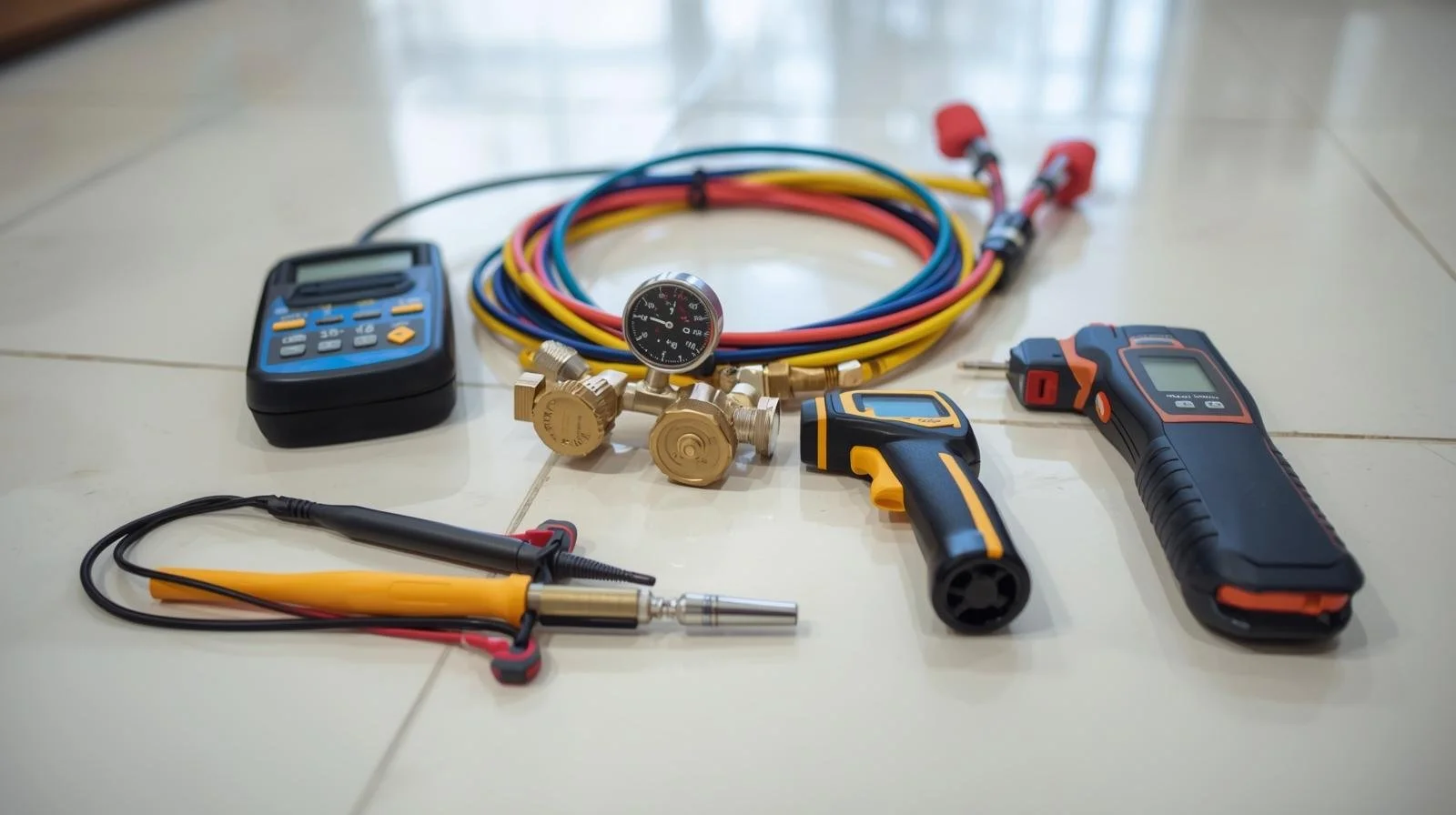
A furnace that starts its heating cycle but fails to ignite can quickly become a frustrating problem, especially when indoor temperatures begin to drop. Ignition is one of the most important stages in a gas furnace’s operation because several components must work together before the burners can safely produce heat.
Modern furnaces are designed with multiple safety controls that stop the system when ignition does not occur correctly. Common causes include a damaged igniter, dirty flame sensor, gas-supply problem, pressure-switch issue, blocked venting, or an electrical control problem.
For Orange County homeowners, understanding these problems can help identify when a simple inspection is appropriate and when professional service is necessary.
How a Furnace Ignition System Works
When a thermostat calls for heat, the furnace normally follows a specific startup sequence. The control system first recognizes the demand for heating, and the inducer motor may start to establish the required draft. A pressure switch confirms that the combustion system is operating correctly before the furnace proceeds.
The igniter then creates the heat or spark needed to ignite the gas. Once the burners light, a flame sensor confirms that combustion has successfully occurred. If the expected flame signal is not detected, the control system can shut off the gas to prevent unburned fuel from accumulating.
Because several steps are connected, a failure in one component can prevent the entire furnace from producing heat.
Common Furnace Ignition Problems
1. Failed Hot-Surface Igniter
Many modern gas furnaces use a hot-surface igniter. During startup, this component becomes extremely hot and ignites the gas released by the burners.
A cracked, burned-out, or electrically failed igniter may prevent ignition completely. One common symptom is an inducer or other startup sound followed by no visible igniter glow. However, the exact diagnostic procedure and electrical specifications depend on the furnace model.
Igniters are relatively delicate components, so replacing one requires using a part that matches the manufacturer’s specifications.
2. Dirty or Faulty Flame Sensor
The flame sensor performs a different job from the igniter. Instead of creating the flame, it confirms that a flame is present after ignition.
If the sensor becomes coated with oxidation or combustion residue, the control board may fail to receive the required flame signal. The furnace can then shut off the gas shortly after the burners ignite. This often creates a recognizable pattern: the furnace lights briefly and then turns off.
A technician can inspect, clean, test, or replace the sensor as appropriate for the particular furnace.
3. Gas Supply Problems
A furnace cannot ignite without an adequate supply of fuel. Problems involving the gas supply, gas valve, or gas pressure can therefore interrupt the ignition process.
Homeowners should never attempt to dismantle or repair a gas valve themselves. If other gas appliances are also experiencing supply problems, the issue may extend beyond the furnace itself.
If you smell gas, leave the area and contact the appropriate gas utility or emergency service. Do not attempt to locate or repair a suspected gas leak yourself.
4. Pressure-Switch or Venting Problems
The furnace’s pressure switch is part of its safety system. It helps verify that the combustion system is producing the required draft.
Blocked intake or exhaust venting, problems with the inducer assembly, condensate drainage issues on high-efficiency furnaces, or other airflow problems can prevent the pressure switch from proving properly. When that happens, the ignition sequence may stop before the gas valve is permitted to operate.
These problems generally require professional diagnosis because bypassing a safety switch can create serious hazards.
Why a Furnace May Ignite and Then Shut Off
One of the most confusing furnace symptoms is when the burners ignite normally but disappear a few seconds later.
A flame sensor problem is one possible explanation. The furnace may successfully create a flame, but if the control system does not receive the expected flame-proving signal, it can close the gas valve as a safety measure.
However, homeowners should not automatically assume that the flame sensor is responsible. Wiring, grounding, gas delivery, combustion problems, control-board faults, and other components can produce similar symptoms.
Warning Signs You Should Not Ignore
Several symptoms indicate that your furnace deserves attention:
- The igniter does not glow or spark when the furnace calls for heat.
- The furnace repeatedly attempts to start without producing a sustained flame.
- Burners ignite and then shut off within seconds.
- The control board displays a diagnostic fault code.
- The furnace repeatedly enters a lockout condition.
- You hear unusual popping, banging, or delayed ignition.
- The furnace produces no heat despite repeated startup attempts.
- You notice an unusual gas odor around the appliance.
Delayed ignition deserves particular attention because accumulated gas can ignite after a delay, creating a potentially dangerous combustion event. Problems involving burners, gas pressure, or ignition timing should be evaluated by a qualified professional.
Safe Checks Homeowners Can Perform
Before arranging service, there are a few basic checks that do not involve opening the gas system.
First, make sure the thermostat is actually calling for heat and is set to an appropriate temperature. Check whether the furnace has electrical power and whether the home’s breaker has tripped.
You can also inspect the furnace filter. A heavily restricted filter can contribute to airflow and overheating problems, although it is not the cause of every ignition failure.
Check the furnace’s exterior vent openings if they are accessible and safe to inspect. Do not climb onto a roof or dismantle venting to investigate an ignition problem.
Finally, look for the furnace’s diagnostic light or error code and consult the manufacturer’s documentation. Diagnostic codes can provide useful information, but a code identifying an ignition failure does not necessarily identify the exact failed component.
When Professional Furnace Repair Is Necessary
Ignition problems often involve gas, combustion, electrical components, or safety controls. These systems should not be bypassed or repeatedly reset simply to make the furnace operate.
Professional furnace repair Orange County services can include inspecting the ignition sequence, testing the igniter, checking the flame-sensing system, examining pressure-switch operation, evaluating gas delivery, and checking relevant electrical controls.
A qualified technician can also determine whether the furnace has a component failure or whether a safety device is correctly preventing the furnace from operating because another underlying problem exists.
Furnace Ignition Repair vs. Furnace Replacement
Not every ignition problem means the furnace needs to be replaced. A failed igniter, dirty flame sensor, wiring problem, or similar component issue may be repairable.
Replacement becomes a separate consideration when a furnace has extensive corrosion, repeated major failures, serious heat-exchanger concerns, obsolete components, or poor overall operating performance. The age and condition of the system, repair history, efficiency, and expected future repair costs should all be considered.
A professional inspection can help distinguish a straightforward ignition repair from a broader equipment problem.
How Regular Maintenance Can Reduce Ignition Problems
Preventive maintenance can help identify developing furnace problems before they become complete heating failures. During a professional service visit, a technician may inspect the ignition system, flame-sensing components, burners, electrical connections, safety controls, airflow, and other important parts.
Keeping filters clean and maintaining adequate airflow can also support normal furnace operation. Manufacturer maintenance recommendations should take priority because service requirements vary between models.
Regular attention is particularly useful for older furnaces, which may have components that are approaching the end of their service life.
Choosing a Furnace Repair Professional in Orange County
When selecting a technician, look for appropriate licensing, experience with your furnace type, clear explanations of the diagnosis, and written information about recommended repairs.
A reliable service visit should identify the suspected cause rather than simply replacing parts until the furnace works. Ask what was found, which component failed, what repair is recommended, and whether any safety concerns were identified.
It is also useful to ask about warranties on replacement parts and labor before authorizing significant work.
Final Thoughts
Furnace ignition problems can originate from something as straightforward as a worn igniter or contaminated flame sensor, but they can also involve gas delivery, venting, pressure switches, electrical controls, or other safety systems.
Because the furnace’s ignition sequence is designed to shut the system down when safe operation cannot be confirmed, repeated ignition failure should not be ignored. Basic homeowner checks can provide useful information, but repairs involving gas, combustion, internal safety controls, or electrical testing should be handled by a qualified HVAC professional.
Understanding the symptoms and the ignition sequence gives Orange County homeowners a better starting point when discussing furnace repair Orange County needs with a service professional.
