



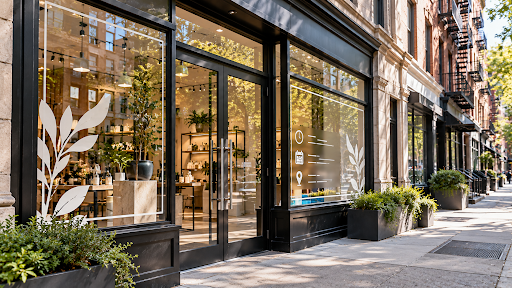
A sign can help customers find your business, understand what you offer and recognise your brand. In New York City, where shops, cafés and offices often compete for attention in busy commercial areas, choosing the right sign requires more than an attractive design. You need to consider where it will be placed, how long it should last and what information it needs to communicate.
For small and medium-sized businesses, the right choice also depends on budget, installation requirements and the appearance of the premises. Understanding these factors can help you select signage that suits your business rather than simply following a design trend.
- Start With The Purpose Of Your Sign
Before choosing colours or materials, decide what you want your sign to achieve. A sign designed to attract passing customers may need a different layout from one intended to guide visitors inside an office.
For example, a Brooklyn café may use window lettering to display its opening hours, while a Manhattan consultancy may need a discreet logo on its reception wall.
Common applications include:
- Storefront Branding: Use a clear business name or logo to help pedestrians identify your premises from the pavement.
- Window Promotions: Display seasonal offers, new products or service announcements without committing to permanent signage.
- Office Identification: Apply lettering to reception areas, meeting rooms or glass partitions to create a consistent brand experience.
- Wayfinding: Help customers and visitors locate entrances, departments or service areas within a building.
Defining the purpose first makes it easier to choose the appropriate size, finish and placement.
- Choose The Right Type Of Vinyl Sign
Different sign formats serve different business needs. Your choice should reflect the surface, viewing distance and whether the message will remain in place or change regularly.
Window Lettering And Graphics
Window graphics work well for shops, salons and restaurants. Cut lettering can display a business name, opening hours or contact details, while printed graphics can communicate more detailed promotional messages.
For a small retail shop in Queens, lettering placed at eye level may provide useful information without covering the entire window.
Wall And Door Graphics
Wall graphics can identify departments, display a logo or reinforce branding inside a commercial space. Door lettering is useful for office names, room numbers and business hours.
These applications are particularly practical when you want to update an existing space without installing a separate rigid sign.
Printed Vinyl Signs And Banners
Printed graphics allow you to include photographs, illustrations and multiple colours. Banners can also be useful for temporary promotions, events and grand openings.
A business preparing for a seasonal sale in Times Square, for instance, may need a temporary promotional graphic rather than permanent exterior lettering.
- Consider The Material And Finish
The material affects how your sign looks, performs and maintains its appearance. Not every vinyl product is suitable for every surface or environment.
When comparing options, consider the following:
- Adhesive Type: Permanent adhesive is suitable for graphics intended to remain in place, while removable options may suit temporary campaigns. Check whether the adhesive is compatible with your surface.
- Surface Compatibility: Glass, painted walls, metal and textured surfaces can require different materials and preparation. Test the surface before installation.
- Finish: Gloss finishes can make colours appear more prominent, while matte finishes may reduce reflections. Choose based on the lighting and surroundings.
- Durability: Outdoor signs need materials designed to withstand sunlight, rain and temperature changes. Indoor graphics may have different performance requirements.
For a storefront exposed to direct sunlight, ask about UV resistance and the expected service life. The lifespan will depend on the material, installation conditions and maintenance.
- Check Visibility, Size And Placement
A sign should be easy to read from the distance at which customers are likely to see it. In New York, nearby buildings, street furniture and heavy pedestrian traffic can affect visibility.
Before finalising your design, consider:
- Viewing Distance: Choose lettering that remains readable from the pavement or across the room. Avoid squeezing too much information into a small space.
- Lighting Conditions: Check how sunlight, indoor lighting and reflections affect the sign throughout the day.
- Window Coverage: Leave enough clear glass for customers to see inside, particularly if your business relies on window displays.
- Installation Surface: Check for uneven walls, damaged paint or other conditions that could affect adhesion.
A sign that looks clear on a computer screen may become difficult to read when installed. Reviewing a design at its intended size can help you identify these issues before production.
- Match The Design To Your Brand
Your signage should look consistent with the rest of your business identity. This does not mean every sign needs to be large or colourful. A simple design can communicate your message effectively when its typography, colours and layout are carefully chosen.
For example, a boutique in SoHo may prefer understated window lettering, while a takeaway restaurant in Queens may need larger text to communicate its name and opening hours quickly.
When reviewing your design, check that:
- Your business name is easy to identify.
- Text and background colours provide sufficient contrast.
- Fonts remain readable at the intended size.
- Your logo and colours match your existing branding.
- The message is relevant to the location where the sign will appear.
Avoid adding too many messages to one sign. A clear business name and one useful detail can be more effective than several competing messages.
- Consider Installation And Local Requirements
Choosing the sign is only part of the process. You also need to understand how it will be installed and whether your proposed placement requires approval.
New York City businesses should check applicable signage rules before installing exterior graphics. Requirements can vary according to the building, sign type and location. Landmarked properties and leased commercial spaces may have additional restrictions.
If you rent your premises, confirm whether the landlord or property manager must approve the design. For exterior signage, check relevant city requirements before production begins.
Professional installation can also help prevent problems such as trapped air bubbles, uneven lettering and poorly aligned graphics. Velement’s signage and printing services include custom graphics, fabrication and installation support for commercial environments.
- Compare Cost With Long-Term Value
The cheapest sign may not always be the most suitable option. Consider the expected lifespan, replacement frequency and maintenance requirements before making a decision.
When requesting quotes for vinyl business signs, compare the complete project cost rather than focusing only on the price per square foot.
Ask suppliers about:
- Design and artwork preparation charges.
- Material specifications and finish options.
- Installation costs and surface preparation.
- Expected lifespan and maintenance requirements.
- Removal costs if the sign is temporary.
For a small business with a limited budget, a simple window graphic may be sufficient. A business planning a long-term storefront installation may benefit from investing in a more durable material.
Conclusion
Choosing the right sign starts with understanding your business needs, location and budget. Consider the material, design, visibility and installation requirements before making a decision.
For New York businesses, working with an experienced signage provider can help simplify the process, from selecting suitable graphics to planning installation. Velement offers signage, printing and visual communication services for businesses looking to create branded commercial spaces.
Frequently Asked Questions
- Are Vinyl Signs Suitable For Outdoor Use?
Yes. Certain vinyl materials are designed for outdoor applications. Their performance depends on the material, adhesive, exposure to weather and installation quality.
- Can Vinyl Graphics Be Removed?
Many vinyl graphics can be removed, but the process depends on the adhesive, surface and length of time the sign has been installed. Some materials may leave residue or affect certain painted surfaces.
- Can Vinyl Signs Be Used On Office Windows?
Yes. They can display company logos, opening hours, room names and decorative graphics. Frosted finishes can also provide a degree of visual privacy while allowing light through.
- How Do I Choose The Right Sign Size?
Consider the viewing distance, available space and amount of information. Test the design at its intended size before approving production.
- Do NYC Businesses Need Permission For Exterior Signs?
Some exterior signs require permits or other approvals. Requirements depend on the sign and property. Check the applicable rules and obtain any necessary permissions before installation.
