



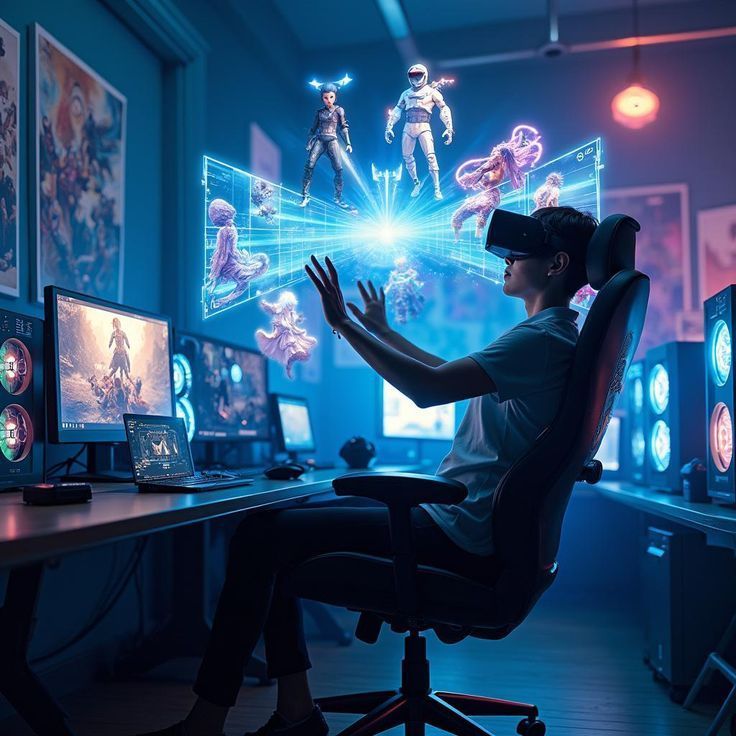
Art outsourcing has become a widely adopted strategy in the gaming industry as studios seek efficient ways to manage creative production. When developers choose to game art outsource, they gain access to specialized talent and scalable resources without the constraints of internal hiring. This approach allows studios to maintain creative quality while optimizing time and cost.
At its core, art outsourcing involves collaborating with external teams to produce visual assets required for a game. These assets may include characters, environments, props, UI elements, and animations. By outsourcing art, studios can focus internal resources on gameplay mechanics, technology, and overall direction while external experts handle asset production.
One of the primary reasons studios opt to game art outsource is flexibility. Game development rarely follows a linear path, and asset requirements often change during production. Outsourcing allows developers to adjust scope and scale quickly without restructuring internal teams. This adaptability helps studios respond to creative changes and production challenges effectively.
Quality is another key driver behind art outsourcing. Professional outsourcing teams consist of artists with focused expertise and industry experience. Their specialization enables them to deliver consistent, high-quality visuals aligned with the project’s art style. This ensures that outsourced assets meet the same standards as in-house production.
Art outsourcing also supports faster development cycles. External teams can work in parallel with internal developers, reducing bottlenecks and speeding up asset delivery. This parallel production model is particularly beneficial for projects with tight deadlines or live-service updates that require frequent content additions.
Cost management is a significant advantage of outsourcing art. Hiring full-time artists involves long-term financial commitments, whereas outsourcing converts these costs into project-based expenses. This financial flexibility allows studios of all sizes to access premium talent while maintaining budget control.
Effective communication is essential for successful art outsourcing. Clear briefs, reference materials, and regular feedback ensure alignment between developers and outsourcing teams. Well-established workflows help maintain transparency and minimize revisions, resulting in smoother collaboration and better outcomes.
In addition, art outsourcing allows studios to experiment creatively. Developers can explore new styles, themes, or visual directions without long-term commitments. This experimentation fosters innovation and helps studios refine their artistic identity across projects.
In conclusion, art outsourcing is a powerful strategy for modern game development. When studios game art outsource effectively, they gain flexibility, quality, and efficiency. By leveraging external expertise, developers can deliver visually compelling games while staying focused on innovation and core development goals.
