



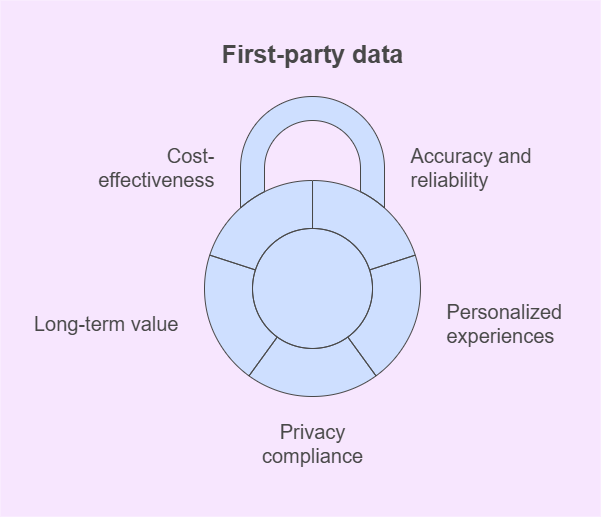
In an era of increasing privacy regulations and declining third-party cookies, businesses can no longer rely on external tracking tools alone. Owning and understanding customer data has become a strategic advantage rather than a technical preference. This is where First-party analytics plays a crucial role. By collecting data directly from users through your own platforms, you gain accuracy, control, and long-term resilience.
This article outlines a simple yet effective plan to build a first-party analytics framework that is practical, scalable, and aligned with modern privacy expectations.
Understanding First-Party Analytics
First-party analytics refers to data collected directly from your audience through channels you own, such as your website, mobile app, CRM systems, email interactions, or customer accounts. Unlike third-party data, it is not borrowed or inferred—it reflects real user behavior and intent.
The strength of first-party data lies in its reliability. Since it comes straight from your users, it offers deeper insights into engagement, preferences, and performance metrics that matter most to your business.
Step 1: Define Clear Measurement Goals
Before implementing any tracking, determine what success looks like for your organization. Analytics should answer business questions, not just collect numbers.
Ask yourself:
-
What actions indicate meaningful engagement?
-
Which conversions directly impact revenue or growth?
-
What user behaviors signal long-term value?
By aligning analytics goals with business objectives, your first-party analytics plan remains focused and actionable rather than overwhelming.
Step 2: Identify Key Data Touchpoints
Once goals are defined, map out where user interactions occur. These touchpoints form the foundation of your data collection strategy.
Common first-party data sources include:
-
Website interactions (page views, clicks, form submissions)
-
Logged-in user behavior
-
Email opens and link clicks
-
Purchase or subscription events
-
Customer support interactions
Tracking only essential events ensures cleaner data and easier analysis.
Step 3: Choose a Simple Data Structure
A common mistake is over-engineering analytics systems early on. A simple structure is more sustainable and easier to maintain.
At a minimum, your data model should capture:
-
User identifier (anonymous or authenticated)
-
Event type (e.g., signup, purchase, download)
-
Timestamp
-
Context (device, page, or feature used)
This structure supports growth while avoiding unnecessary complexity.
Step 4: Prioritize Privacy and Transparency
Privacy is not just a legal requirement—it is a trust signal. First-party analytics must be built with consent and transparency at the core.
Key practices include:
-
Clear data usage explanations
-
Consent-based tracking where required
-
Minimal data collection aligned with purpose
-
Secure storage and access control
When users trust how their data is handled, engagement and data quality improve.
Step 5: Centralize and Store Data Securely
Collected data should flow into a central location where it can be analyzed consistently. This could be a lightweight database, internal dashboard, or analytics platform designed for first-party data ownership.
Consistency is more important than sophistication. A single source of truth prevents data conflicts and improves reporting accuracy.
Step 6: Turn Data Into Actionable Insights
Analytics only adds value when insights drive decisions. Establish regular review cycles to evaluate performance and trends.
Focus on:
-
Changes in user behavior over time
-
Funnel drop-off points
-
Feature adoption and retention
-
Revenue or conversion patterns
With first-party analytics, insights are directly tied to real user intent, making them more reliable for optimization.
Step 7: Iterate and Scale Gradually
A first-party analytics plan is not static. As your business evolves, measurement needs will change.
Start small, then expand by:
-
Adding new tracked events
-
Refining metrics
-
Integrating additional internal systems
-
Automating reporting workflows
Incremental improvements ensure the system remains flexible and aligned with business growth.
Conclusion: Building Long-Term Data Independence
A simple first-party analytics plan empowers businesses to regain control over their data while respecting user privacy. By focusing on clear goals, essential data points, and ethical collection practices, organizations can create a durable analytics foundation.
In a digital environment where trust and ownership matter more than ever, First-party analytics is not just a technical solution—it is a strategic investment in sustainable growth.
