



Standing atop the misty peaks of the Peruvian Andes, Machu Picchu remains one of humanity’s most extraordinary achievements. This 15th-century Incan citadel, perched at 2,430 meters (7,970 feet) above sea level, attracts over a million visitors annually, each seeking to unlock the mysteries of this UNESCO World Heritage Site. For travelers with limited time, a Machu Picchu by Train 1 Day tour offers the perfect solution combining efficiency with unforgettable experiences while traversing some of South America’s most spectacular landscapes.
Why Choose the Train Journey
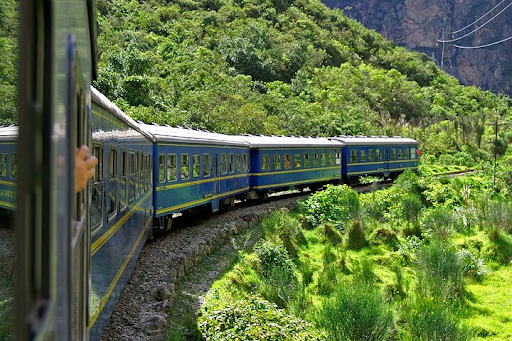
The train journey to Machu Picchu represents far more than simple transportation; it’s an integral part of the adventure. As the train winds through the Sacred Valley, passengers witness a dramatic transformation in landscapes from the Andean highlands with their terraced agricultural fields to the lush cloud forests of the Amazon basin. The route follows the rushing Urubamba River through narrow gorges and past traditional villages where time seems to have stood still.
Unlike multi-day trekking options like the Inca Trail, which require months of advance booking and several days of commitment, the train option provides accessibility to travelers of all fitness levels. It eliminates the physical demands of high-altitude hiking while maximizing time spent exploring the archaeological wonder itself. This makes it ideal for families with children, older travelers, those with limited vacation days, or anyone who prefers comfort over camping.
Understanding Your Train Options
Several train services operate between Cusco (or nearby stations) and Aguas Calientes, the town at Machu Picchu’s base. Peru Rail and Inca Rail are the primary operators, each offering different service levels to suit varying budgets and preferences.
The Expedition or Voyager trains provide comfortable, budget-friendly options with panoramic windows, cushioned seating, and onboard refreshments. These trains balance affordability with comfort, making them popular among backpackers and budget-conscious travelers.
The Vistadome trains elevate the experience with larger panoramic windows extending onto the ceiling, allowing unobstructed views of the surrounding mountains and valleys. These services include snacks, beverages, and often entertainment such as traditional dance performances during the return journey. The elevated viewpoints make photography easier and the journey more immersive.
For ultimate luxury, the Hiram Bingham train named after the American explorer who brought international attention to Machu Picchu in 1911 offers an opulent experience reminiscent of 1920s Pullman carriages. This all-inclusive service features gourmet dining, live music, an observation bar car, and guided tours, transforming transportation into a destination itself. However, its premium price point places it beyond most travelers’ budgets.
Your 1-Day Itinerary Breakdown
A typical 1-day Machu Picchu train tour begins exceptionally early, with hotel pickup in Cusco around 4:00-5:00 AM. The journey starts with ground transportation to Ollantaytambo or Poroy station, taking approximately 1.5 to 2 hours. Some tour operators now depart exclusively from Ollantaytambo, as this station offers a more scenic route and avoids Cusco’s early morning traffic.
The train journey from Ollantaytambo to Aguas Calientes takes roughly 1.5 hours, winding through increasingly dramatic scenery. Upon arrival in Aguas Calientes around 9:00-10:00 AM, travelers board shuttle buses for the 25-minute ascent up the serpentine road to Machu Picchu’s entrance. These buses navigate 13 hairpin turns, climbing 400 meters of elevation while offering glimpses of the ruins above.
Once through the entrance checkpoint, visitors typically spend 2-3 hours exploring the citadel with a professional guide who brings the stones to life with historical context, architectural insights, and theories about the site’s purpose. The guided tour covers key structures including the Temple of the Sun, the Intihuatana stone (ritual sundial), the Royal Palace, and the Temple of the Three Windows. After the guided portion, guests usually have additional free time to explore independently, take photographs, or hike to viewpoints like the Sun Gate or Inca Bridge.
The return journey reverses the morning’s route bus down to Aguas Calientes, time for lunch (often included in tour packages), followed by the afternoon train back to Ollantaytambo or Poroy, and finally bus transfer returning to Cusco hotels around 8:00-9:00 PM.
Booking Strategies and Timing
Machu Picchu implements strict visitor regulations limiting daily entry to 4,500 people across staggered time slots. These restrictions mean advance booking is essential, particularly during peak season from May through September. Purchasing tickets 2-3 months ahead ensures availability and often secures better prices.
Entry tickets come in different circuits, each offering access to specific areas of the archaeological site. Circuit 2 provides the most comprehensive experience, including access to the classic postcard viewpoint and major temple areas. Understanding these circuits before booking prevents disappointment upon arrival.
Train tickets should be booked simultaneously with Machu Picchu entrance tickets, as availability coordinates with entry time slots. Morning trains are most popular but afternoon departures offer advantages including smaller crowds and softer lighting for photography.
What’s Typically Included
Standard 1-day Machu Picchu train tours generally include round-trip train tickets, bus transfers between Aguas Calientes and Machu Picchu, entrance fees to the archaeological site, a professional bilingual guide for approximately 2 hours, and transportation between Cusco and the train station. Some packages also include meals, though this varies by operator and service level.
What’s typically not included are entrance fees to additional hikes like Huayna Picchu or Machu Picchu Mountain (these require separate advance tickets and additional time), meals beyond what’s specified in your package, tips for guides and drivers, and personal expenses in Aguas Calientes.
Maximizing Your Limited Time
With only a few hours at Machu Picchu, strategic planning ensures you experience the highlights without feeling rushed. Arrive at the ruins as early as possible morning light enhances photography and crowds remain manageable before 10:00 AM. Follow your guide attentively during the tour, as their expertise provides context that transforms ruins into living history.
After the guided portion, prioritize your remaining time based on personal interests. Photography enthusiasts should head to the Guardian’s House for classic panoramic shots. Those seeking spiritual connection might prefer quiet contemplation at the Temple of the Sun. Adventure seekers with extra energy can attempt the steep climb to the Sun Gate, though this requires at least 90 additional minutes round trip.
Download offline maps before arrival, as cell service is virtually nonexistent at the ruins. Bring sufficient water and snacks, though plastic bottles aren’t permitted inside reusable containers. Wear comfortable walking shoes with good traction, as stone pathways become slippery when wet.
Weather Considerations
Machu Picchu’s cloud forest location creates unpredictable weather patterns. Even during the dry season (May-September), afternoon rain showers occur frequently. The wet season (November-March) brings heavier precipitation but also fewer tourists and lusher vegetation creating dramatic photographic conditions.
Layered clothing proves essential year-round. Mornings often start cool, particularly during train rides through higher elevations, while midday sun at the ruins can be intense. Pack a lightweight rain jacket regardless of season, along with sun protection including a hat, sunscreen, and sunglasses.
Cultural and Historical Context
Understanding Machu Picchu’s significance enhances the visit immeasurably. Constructed around 1450 during the reign of Inca emperor Pachacuti, the citadel served as a royal estate and sacred ceremonial center. Its precise purpose remains debated among scholars, with theories ranging from astronomical observatory to spiritual retreat for Incan nobility.
The site’s remarkable preservation results partly from Spanish conquistadors never discovering it during their colonial conquest. When Hiram Bingham arrived in 1911, vegetation had consumed the structures, though local farmers knew of its existence. Today’s restoration represents decades of archaeological work revealing sophisticated engineering, including advanced water management systems, earthquake-resistant construction techniques, and precise astronomical alignments.
The Incas built Machu Picchu without wheels, iron tools, or draft animals, making its construction even more astounding. Stones weighing several tons fit together so perfectly that mortar wasn’t necessary, a technique that has allowed structures to survive five centuries of earthquakes.
Conclusion
A Machu Picchu by Train 1 Day tour delivers an efficient, comfortable, and deeply memorable way to experience one of the world’s most iconic archaeological sites. While multi-day treks offer their own rewards, the train journey provides unique advantages: spectacular scenery, accessibility, and maximum time exploring the ruins themselves rather than hiking to reach them.
The experience transcends simple sightseeing, offering a profound connection to ancient civilizations and their extraordinary accomplishments. As you stand among these precisely cut stones, gazing across terraced mountainsides toward distant Andean peaks, the ingenuity and vision of the Inca Empire becomes tangible.
For travelers navigating the balance between limited vacation time and bucket-list aspirations, the 1-day train option represents the perfect compromise. It compresses none of the wonder while respecting the reality of modern travel constraints, ensuring that this ancient marvel remains accessible to all who dream of walking among its storied stones.
Key Takeaways
Plan Well in Advance: Book Machu Picchu entrance tickets and train reservations 2-3 months ahead, especially for peak season travel (May-September), as daily visitor numbers are strictly limited to protect the archaeological site.
Choose the Right Train Service: Balance budget and experience by selecting between Expedition (budget-friendly), Vistadome (enhanced views and comfort), or Hiram Bingham (luxury experience) based on your priorities and financial considerations.
Prepare for Early Starts: 1-day tours require departures around 4:00-5:00 AM from Cusco, with returns around 8:00-9:00 PM, making for a long but rewarding day that maximizes time at the ruins themselves.
Understand Entry Circuits: Familiarize yourself with Machu Picchu’s circuit system before booking Circuit 2 offers the most comprehensive experience including the classic postcard viewpoint and major archaeological features.
Pack Strategically: Bring layered clothing, rain protection regardless of season, reusable water bottles (plastic bottles prohibited), comfortable walking shoes, sun protection, and snacks to ensure comfort throughout the extended day.
Acclimatize Properly: Spend at least 2-3 days in Cusco before your Machu Picchu visit to adjust to the altitude, reducing the risk of altitude sickness and ensuring you can fully enjoy the experience without physical discomfort.
