



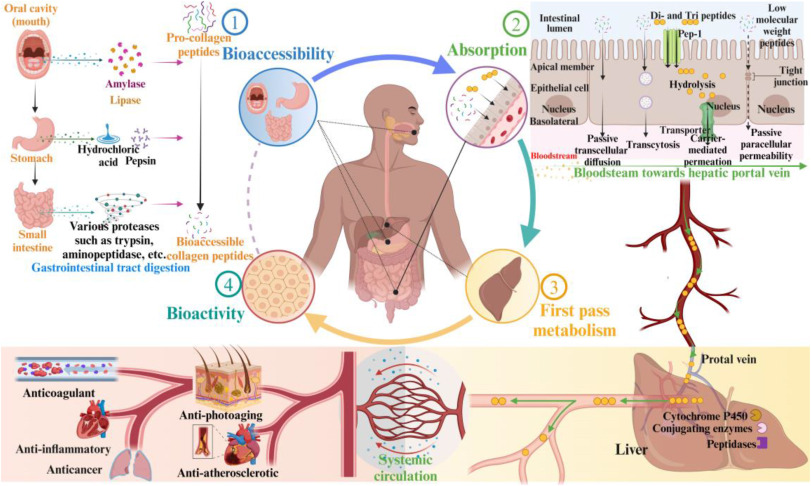
In the pursuit of peak physical performance and longevity, the bioavailability of nutrients is just as critical as the nutrients themselves. Collagen peptides have surged in popularity among athletes and wellness enthusiasts due to their unique amino acid profile, specifically for supporting connective tissue and joint recovery. However, as with any dietary adjustment, questions often arise regarding how the body processes these concentrated proteins. A common inquiry among those optimizing their GI health is can collagen peptides cause constipation, or do they actually offer a supportive role in digestive regularity? Understanding the science of protein hydrolysis and intestinal transit is key to a seamless supplementation protocol.
The Science of Hydrolysis and Absorption
One of the primary reasons collagen peptides are favored over traditional protein powders like whey or casein is their “pre-digested” state. Through a process called enzymatic hydrolysis, large collagen molecules are broken down into smaller, low-molecular-weight peptides. This makes them highly bioavailable and easy for the small intestine to absorb. Because they require minimal digestive breakdown, they are less likely to sit in the gut and ferment—a common cause of the bloating and slowing of transit time often associated with heavy protein intake.
Amino Acids as Gut Fuel
The benefits of bovine collagen extend beyond simple protein supplementation; they serve as a restorative tool for the gut-lining cells. Collagen is exceptionally high in glycine and glutamine. Glutamine is the preferred fuel source for enterocytes (the cells lining the small intestine), while glycine helps regulate the secretion of gastric acid. By improving the health of the intestinal barrier and the efficiency of stomach acid, collagen can actually facilitate better overall digestion of all food groups, potentially reducing the likelihood of gastrointestinal stagnation.
Optimizing the Supplementation Protocol
To ensure that collagen contributes positively to your digestive rhythm, it should be integrated as part of a balanced nutritional strategy. Since collagen is a dry protein, it is essential to maintain adequate hydration. Water is the vehicle that moves nutrients through the digestive tract. When users experience changes in regularity, it is frequently a result of “protein dehydration”—where the body uses its water stores to process the amino acids, leaving the colon less lubricated. Pairing your peptides with consistent water intake and a fiber-rich diet ensures maximum efficacy.
Prioritizing Sourcing and Purity
The source of your collagen is the most significant factor in how your body reacts to it. Grain-fed or factory-farmed bovine sources can contain trace hormones or antibiotic residues that irritate the gut microbiome. Choosing a grass-fed, pasture-raised option ensures that you are avoiding these inflammatory triggers. By selecting a high-standard provider like Root Vitality, you ensure that your body receives pure Type I and III peptides that support systemic health without the interference of artificial fillers or gut-disrupting additives.
Are you ready to optimize your recovery and gut health with premium nutrition? Visit our website to learn more about our pasture-raised collagen standards.
