



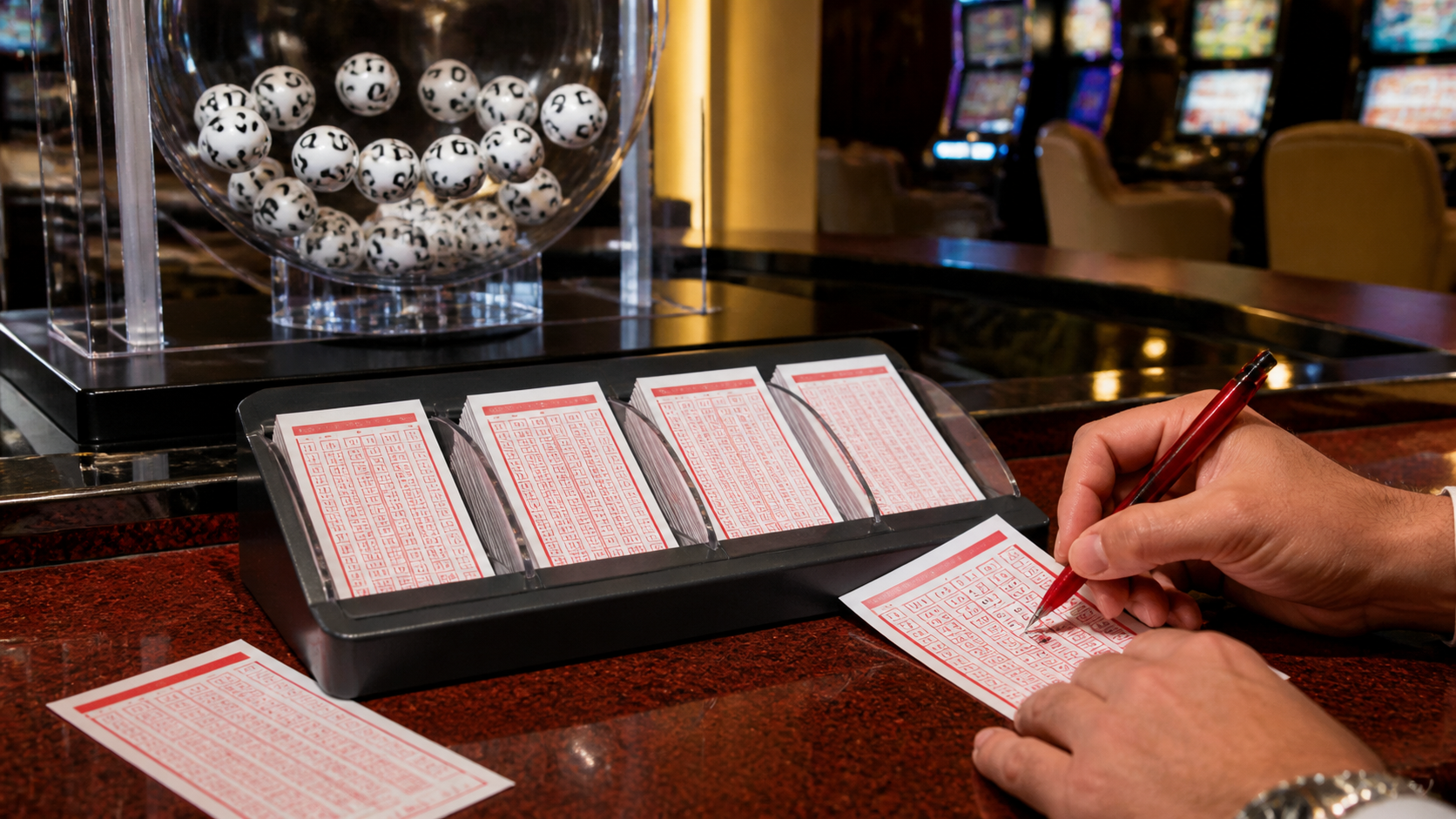
Lottery-style games have a simple appeal: they are easy to follow, quick to join, and built around anticipation rather than complicated rules. That simplicity is a big part of why so many players are drawn to number-based games in the first place. With a format like 82 Lottery, the experience tends to center on choosing numbers, following draws, and making sense of patterns without needing a steep learning curve.
At the same time, the best approach to any game of chance is not to expect shortcuts. A clear understanding of how the game is structured, what to look for before taking part, and how to keep expectations realistic can make the experience more enjoyable. If you are exploring 82 Lottery, it helps to think of it as a game of entertainment first, with strategy limited to careful selection, observation, and personal discipline.
This article looks at the basic appeal of the game, the factors players usually consider, and the habits that can make participation feel more organized and less impulsive. Whether someone is completely new to number games or simply wants a more thoughtful way to approach them, the essentials remain the same: understand the format, manage your play, and focus on the experience rather than chasing certainty.
What Makes 82 Lottery Appealing to Players
The main attraction of a lottery-style game is its straightforward design. Players do not usually have to memorize complex rules or master difficult mechanics before taking part. Instead, the attention stays on number selection, timing, and the excitement of seeing whether a chosen set matches the outcome. That accessibility is part of what keeps this kind of game popular across many audiences.
Another reason players return to games like this is the balance between simplicity and suspense. The process may be easy to understand, but the outcome still carries uncertainty, and that creates the sense of anticipation many people enjoy. A game that can be understood quickly often feels less intimidating, which is useful for casual players who want a lighter gaming experience.
There is also a social side to number games. People often compare methods, discuss favorite combinations, or follow results as part of a broader routine. While no pattern can remove randomness, the act of engaging with the game in a structured way can make it feel more interactive and less like a one-time gamble.
How the Game Is Usually Understood
Although players may come to the game with different expectations, most lottery-style formats follow a familiar structure. A player chooses numbers or a combination, waits for the draw or result, and then checks whether there is a match. The simplicity of that loop is part of the appeal, but it also means that the real focus should be on understanding the rules before playing.
Before joining in, it is sensible to look at the game format carefully. Small differences in rules can affect how a player chooses numbers, how results are read, or how often participation makes sense. Even a familiar-style game can have local variations, so assuming that every lottery game works the same way may lead to confusion.
Number selection habits
Some players prefer to use personal dates, recurring digits, or numbers that feel meaningful to them. Others like random selection because it avoids overthinking. Neither approach changes the basic nature of a chance-based game, but both can shape how enjoyable the process feels. The main thing is to choose a method that is comfortable rather than trying to force a system that promises more than it can deliver.
Checking rules and format
It is also helpful to read the rules closely before participating. Details such as how numbers are entered, how results are confirmed, and how prizes or outcomes are described can affect the overall experience. A few minutes spent on the structure can prevent misunderstandings later and make the game easier to follow.
Practical Tips for a More Balanced Approach
A responsible approach matters in any game of chance. Because the result is not something a player can control, it is better to focus on habits that support clarity and self-control. That usually means setting limits, avoiding emotional decisions, and treating the game as entertainment rather than a way to solve financial problems.
- Decide in advance how much time and money you are comfortable spending.
- Keep your participation occasional if you notice it becoming routine or impulsive.
- Use a simple method for choosing numbers so the process stays easy to manage.
- Review outcomes calmly instead of changing your approach after every result.
- Take breaks when the game stops feeling enjoyable.
These habits may sound basic, but they often make the biggest difference. A player who sets clear boundaries is less likely to feel frustrated by short-term results. That matters because lottery-style games are built on uncertainty, and uncertainty is easier to handle when participation is intentional.
It is also wise not to read too much into patterns. People often look for hidden meaning in past outcomes, but random draws do not necessarily favor one approach over another. Observation can be part of the fun, yet it should not be mistaken for a reliable forecast. Keeping that distinction in mind helps preserve a more realistic attitude toward the game.
Common Mistakes Players Should Avoid
One of the most common mistakes is treating a chance-based game like a puzzle with a guaranteed solution. That mindset can lead to overconfidence and poor decisions. While number selection can feel meaningful, it should not be mistaken for control over the outcome. The game remains uncertain regardless of the method used.
Another mistake is spending more than planned after a disappointing result. This kind of reaction can turn a casual game into a stressful habit. If the entertainment value starts to fade, it is usually better to step back than to increase participation in hopes of recovering losses. In games like this, patience and limits are more useful than urgency.
Chasing outcomes
Trying to force a result by repeatedly entering more combinations can be tempting, especially when someone feels close to success. But more entries do not change the basic nature of the game. A steady, pre-set approach is usually healthier than reacting emotionally after each draw.
Ignoring the entertainment factor
When a player focuses only on what might be won, the experience can become frustrating very quickly. It helps to remember that the main value of the game is the play itself: the routine, the anticipation, and the simple enjoyment of following the results. That perspective can make participation feel lighter and more sustainable.
Why the 82 Lottery Experience Works for Casual Players
Casual players often prefer games that do not demand a large amount of time or study, and that is one reason number-based lottery formats remain appealing. They fit easily into a busy schedule, and the rules are usually simple enough to understand without much effort. For someone who wants a brief gaming experience rather than a long session, that can be a strong advantage.
The format also allows for flexible participation. A player can engage occasionally, follow outcomes over time, or simply check results without building the game into a major routine. That flexibility makes the experience accessible, especially for people who want a low-complexity game with a recognizable structure.
Another advantage is that the game can be approached in a personal way. Some players enjoy consistency, some prefer randomness, and some follow numbers as a casual hobby. There is room for different styles as long as expectations stay grounded. That combination of simplicity and choice is part of what gives the game its broad appeal.
At the same time, casual friendliness should not be confused with predictability. The game may be easy to join, but it still depends on chance. Recognizing that balance helps players enjoy the process without building unrealistic assumptions around it. For many people, that is exactly what makes the format sustainable over time.
Making Sense of 82 Lottery as a Game of Chance
The most useful way to think about 82 Lottery is as a simple, chance-based game that rewards clear expectations more than complicated tactics. Players can choose numbers, follow outcomes, and enjoy the suspense, but they should not expect certainty or a hidden system that changes the nature of the game. A calm, informed approach tends to work better than chasing patterns or treating every draw like a test of skill.
When approached with limits, awareness, and a sense of fun, the game can fit neatly into a casual gaming routine. The main takeaway is straightforward: learn the format, play within your comfort zone, and keep the experience enjoyable rather than pressurized. That balance is usually the best foundation for any lottery-style game.
