



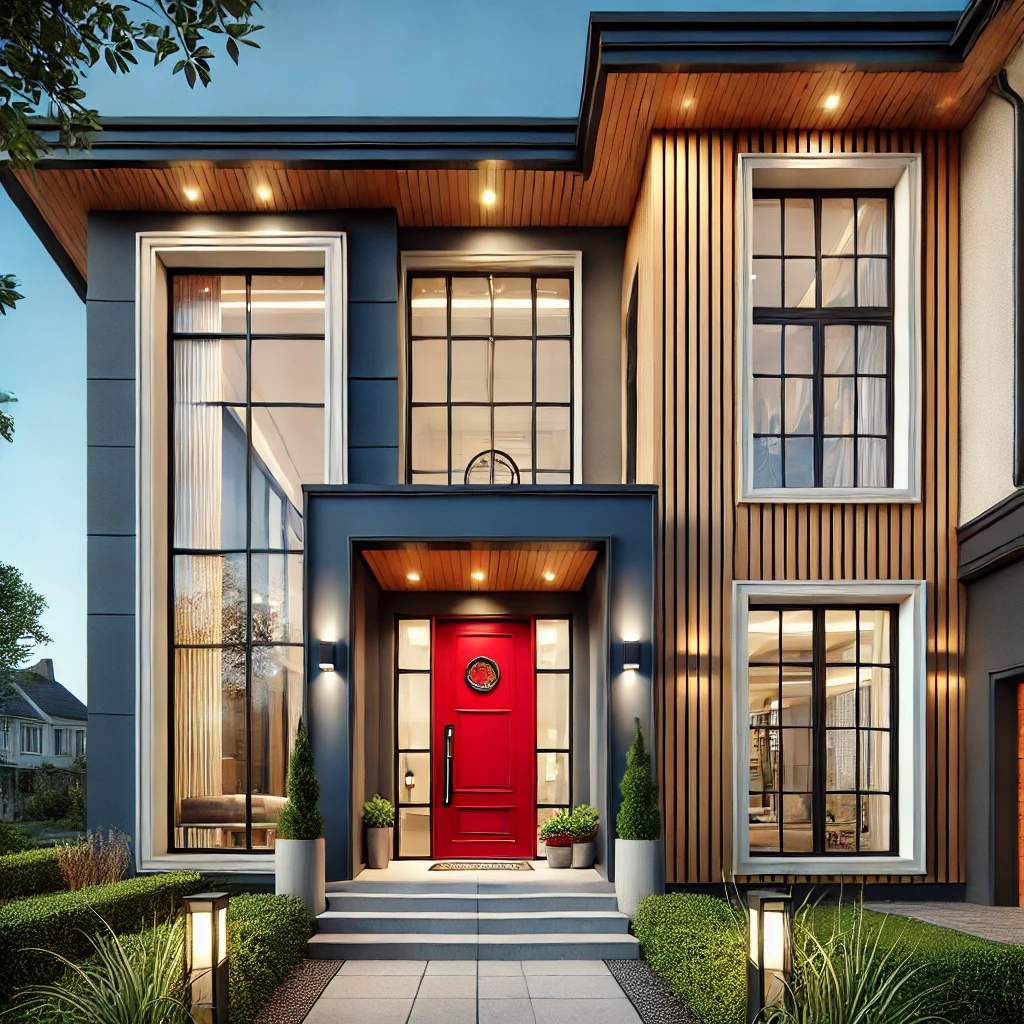
Windows are often viewed as a practical part of a house, but their influence goes far beyond ventilation and daylight. The right windows can change how a home looks from the street, how rooms feel from the inside, and how well the overall design works together. From frame styles and glass choices to size, placement, and proportions, windows can become an important architectural feature.
Modern window design gives homeowners more opportunities to create a home that feels bright, comfortable, stylish, and visually balanced. Whether you are renovating an older property or completing a new build, carefully selected windows can make a noticeable difference.
Windows Can Completely Change Exterior Appearance
The exterior of a home is strongly influenced by its windows. They occupy a significant amount of wall space and help establish the visual character of the building. Replacing outdated, mismatched, or damaged windows can give the exterior a cleaner and more coordinated appearance.
Different window styles create different impressions. Large picture windows can produce a contemporary appearance, while traditional multi-pane designs can add character to a classic property. Casement, sliding, bay, bow, and other styles can also be selected according to the architectural design of the home.
The key is to choose windows that complement the home’s proportions rather than simply selecting a style because it is fashionable.
Create a Stronger First Impression
Curb appeal begins before someone enters the front door. Windows contribute to the first impression by influencing symmetry, color, proportion, and architectural balance.
Fresh frames and clear glass can make a property look better maintained. Coordinating the window style with the front door, exterior walls, roofline, and landscaping can create a more unified appearance.
For homeowners planning an exterior renovation, window replacement can therefore become part of a broader design strategy rather than being treated as an isolated improvement.
Bring More Natural Light Indoors
One of the most noticeable ways new windows can transform a home is by changing its natural lighting. Well-planned windows can introduce daylight into rooms that previously felt dark or enclosed.
Natural light can make interiors appear larger, fresher, and more welcoming. It can also highlight architectural details, furniture, flooring, and wall finishes. Window size and placement are particularly important because simply installing a larger window does not automatically guarantee the best lighting.
Thoughtful placement can help distribute daylight more evenly throughout a room while also taking privacy and glare into consideration.
Make Small Rooms Feel More Open
A room’s perceived size can be influenced by its connection to the outdoors. Windows that provide wider views can visually extend the boundaries of an interior space.
For example, a well-positioned window in a dining area can create a stronger connection with a garden or outdoor space. In a living room, a larger glazed area can make the room feel more open and connected to its surroundings.
For smaller rooms, carefully selected windows can provide this sense of openness without requiring structural changes throughout the entire house.
Complement Your Home’s Architectural Style
Every home has its own visual language. Traditional, contemporary, minimalist, farmhouse, colonial, and other architectural styles can benefit from different window treatments.
A modern property may look better with clean frames and expansive glass, while a traditional home may benefit from divided panes or more detailed framing. Maintaining consistent proportions is also important because windows that appear too large, too small, or poorly positioned can disrupt the balance of an exterior.
Architectural harmony is one of the most important considerations when choosing replacement windows.
Add Character With Frame Colors and Finishes
Window frames are not merely structural components. Their color and finish can influence the entire appearance of a property.
Dark frames can create a strong contemporary contrast, while lighter frames can produce a softer and more traditional appearance. Wood-look finishes may provide warmth, whereas streamlined modern materials can support a minimalist aesthetic.
When choosing a finish, homeowners should consider existing exterior colors, roof materials, doors, trim, and other architectural details. A coordinated palette usually creates a more polished result than choosing every feature independently.
Improve the Interior Atmosphere
The visual impact of windows does not stop at the exterior. New windows can also change the atmosphere inside the home.
Clearer glass, better proportions, improved daylight, and attractive frames can make rooms feel more refined. A window can also become a natural focal point, especially when it frames a garden, city view, landscape, or architectural feature.
Curtains, blinds, and other window treatments can then be selected to complement the new design while providing privacy and light control.
Combine Style With Energy Efficiency
A beautiful window should also perform well. Window design involves balancing views, daylight, ventilation, insulation, and solar control.
Modern glazing and frame technologies can help improve thermal performance when appropriately selected for the property’s climate and orientation. Factors such as glazing type, window size, shading, and frame construction can all affect energy performance.
This means homeowners do not necessarily have to choose between appearance and performance. A thoughtfully designed window upgrade can address both goals.
Create a More Consistent Look Throughout the Home
One common problem with older properties is that windows may have been replaced at different times. This can result in mismatched frames, colors, proportions, or styles.
Replacing windows as part of a coordinated renovation can create greater consistency. Matching or complementary designs across the front, sides, and rear of a property can make the home look more intentional.
Consistency does not mean every window has to be identical. Different rooms may require different functions, but maintaining common design elements can help the entire property feel connected.
How SafeHomesWindows Can Support a Home Transformation
When planning a window renovation, homeowners should look beyond appearance and consider how each choice contributes to the property’s overall design. The aim should be to create a balance between aesthetics, natural light, ventilation, privacy, comfort, durability, and energy performance.
For homeowners exploring modern window solutions, safehomeswindowsltd can be considered as part of the process of creating a more attractive and functional living environment. The most effective window upgrade is one that works with the existing architecture while addressing the practical needs of the people living in the home.
Choose Windows Room by Room
Different rooms have different requirements, so using the same approach everywhere may not produce the best result.
Living rooms can benefit from larger windows that emphasize views and natural light. Bedrooms may require greater attention to privacy and ventilation. Kitchens can benefit from windows positioned to provide daylight over work areas, while bathrooms may require privacy-focused glazing or carefully selected placement.
Thinking about each room individually allows homeowners to create a more practical and visually cohesive result.
Think About Window Placement Before Installation
Window selection should include more than choosing the frame and glass. Placement, orientation, size, and surrounding features can have a major effect on the final outcome.
Sun exposure, neighboring properties, outdoor views, privacy, ventilation, furniture placement, and interior lighting should all be considered. Poor placement can create glare, excessive heat, privacy concerns, or an unbalanced exterior, while thoughtful placement can improve both appearance and everyday comfort.
A Window Upgrade Can Refresh the Entire Property
One of the biggest advantages of replacing outdated windows is the ability to achieve a noticeable visual transformation without completely rebuilding the home.
New windows can sharpen exterior lines, modernize an older facade, introduce more daylight, frame attractive views, and provide a stronger connection between indoor and outdoor spaces. When combined with complementary improvements such as updated doors, exterior paint, lighting, and landscaping, the results can be even more striking.
Final Thoughts
Windows have a much greater influence on home design than many homeowners realize. They affect curb appeal, natural lighting, interior atmosphere, architectural character, views, ventilation, and energy performance.
The right combination of window style, frame, glazing, size, placement, and finish can give an ordinary property a noticeably refreshed appearance. Rather than treating windows as simple functional openings, homeowners can view them as important design elements capable of shaping the personality of the entire home.
With thoughtful planning and attention to both aesthetics and performance, a window upgrade can be an effective way to create a home that looks brighter, more cohesive, comfortable, and contemporary.
