



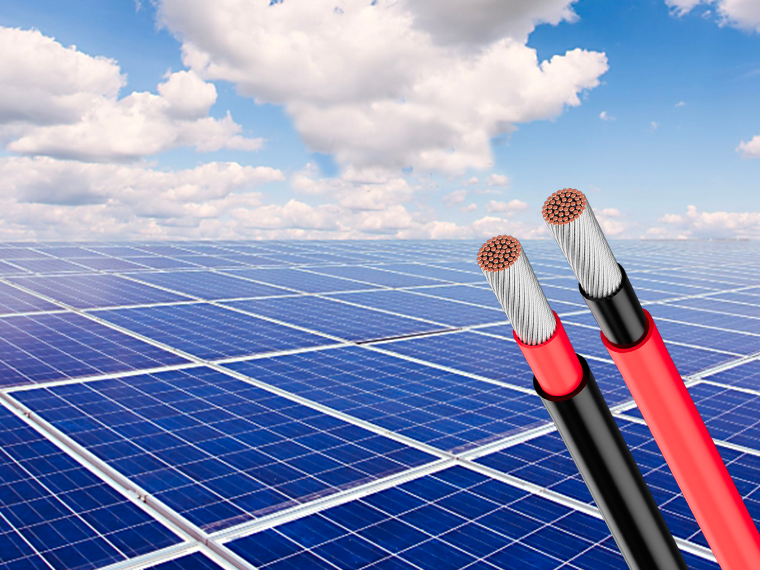
The worldwide solar industry is demanding higher performance, longer cell life, and lower installation costs. As photovoltaic structures become larger in residential and commercial utility projects, a fantastic SOLAR ROAD is more important than ever Modern solar plants need cables that can withstand harsh environmental conditions, deliver robust power overall performance, UV resistance and thermal resistance longer
Among the main innovators in this regard, SOWELL SOLAR and Zhejiang Sowell Electric Co Ltd provide superior photovoltaic cabling technology that helps with the evolving demands of renewable energy infrastructure. Their innovative products, together with the PV2000DC-TCA, the TCA Solar Cable, and the TCCA Solar Cable, represent a key advancement in conductor fabrication and photovoltaic cable engineering.
DEVELOPMENT OF SOLAR CABLE TECHNOLOGY
Over the past decade, photovoltaic cable standards have steadily improved. International standards including EN50618, IEC62930, UL4703, and a pair of PFG 2642 have shaped state-of-the-art optical cable design, demanding studies such as solar power structures end more low cost, manufacturers under pressure to reduce fabric costs over the combined performance of a orkunall.
Traditional photovoltaic cables commonly use tinned copper conductors. While copper provides excellent conductivity, rising copper prices have encouraged the industry to explore alternative conductor materials. This led to the development of aluminum alloy conductors and copper-aluminum composite technologies used in advanced SOLAR POWER CABLE products.
The introduction of the 2 PFG 2642 standard by TUV Rheinland created a new framework for aluminum alloy photovoltaic cables ranging from 10mm² to 400mm². This standard allows manufacturers to develop safer and more cost-effective alternatives while ensuring compliance with strict performance requirements.
Why PV2000DC-TCA Is Gaining Industry Attention
One of the most innovative developments in photovoltaic cable technology is PV2000DC-TCA. This next-generation cable system uses advanced tin plated copper aluminum composite conductors designed for high-performance solar installations.
Unlike ordinary TCCA conductor solar cable, the TCA solar cable technology focuses heavily on improving the copper-aluminum bonding interface. Through specialized oxide layer treatment and advanced manufacturing processes, the conductor achieves stronger bonding performance, lower resistance instability, and improved long-term reliability.
Key Advantages of PV2000DC-TCA
- Improved conductor stability
- Lower material cost compared to pure copper
- Excellent corrosion resistance
- Enhanced conductivity performance
- Better compatibility with photovoltaic connectors
- Lightweight construction for easier installation
- Long-term durability under outdoor conditions
Zhejiang Sowell Electric Co Ltd is recognized as one of the standard writers for PV2000DC-TCA and became the first company to obtain certification under this standard. The company also reports over six years of practical application experience with zero fault records, demonstrating strong product reliability in real-world solar projects.
Understanding TCA and TCCA Conductor Technologies
Many buyers ask about the difference between TCA solar cable and TCCA solar cable technologies. While both products utilize copper and aluminum composite structures, there are important distinctions.
TCCA Conductor Solar Cable
TCCA stands for tin plated copper-clad aluminum conductor. This technology combines aluminum with an external copper coating and tin plating to improve corrosion resistance and conductivity.
TCA Solar Cable
TCA technology enhances the copper-aluminum composite process by improving the bonding interface between the two metals. Specialized treatment reduces oxidation risks and strengthens the conductor structure. This results in more stable electrical performance and improved long-term durability.
Because photovoltaic systems often operate continuously for 25 years or more, conductor stability is extremely important. The improved conductor interface used in PV2000DC-TCA helps reduce potential degradation caused by environmental exposure.
TUV-Certified Aluminum Alloy SOLAR POWER CABLE
The aluminum conductor series photovoltaic cables developed by SOWELLSOLAR have officially passed TUV certification under the 2 PFG 2642 standard. These cables use aluminum alloy or tinned alloy conductors and are designed specifically for photovoltaic power generation systems.
The available conductor sizes include:
| Model | Nominal Area | Conductor Type | Rated Voltage |
| TCA 1x4mm² | 4mm² | TCA | 1500V DC |
| TCA1x6mm² | 6mm² | TCA | 1500V DC |
| TCA 1x10mm² | 10mm² | TCA | 1500V DC |
These cables use low smoke halogen-free crosslinked polyolefin (XLPO) insulation materials capable of operating at temperatures up to 125°C. The cables are also UV resistant, making them suitable for long-term outdoor exposure.
Electrical Performance and Current Carrying Capacity
Electrical resistance and current carrying capacity are two of the most important indicators for any SOLAR POWER CABLE. The PV1500DC-AL series demonstrates impressive performance across multiple conductor sizes.
| Conductor Size | Safe Current A I | Safe Current A II |
| 1x4mm² | 26A | 21A |
| 1x6mm² | 35A | 28A |
| 1x10mm² | 92A | 74A |
| 1x16mm² | 120A | 96A |
| 1x25mm² | 154A | 123A |
The conductor resistance values are carefully optimized to remain within international standards. For example, the 6mm² PV1500DC-AL cable maintains conductor resistance below 5.09Ω/km at 20°C, matching the resistance requirements commonly associated with copper conductors.
This demonstrates that advanced aluminum alloy conductors can provide competitive electrical performance while significantly reducing material cost and cable weight.
Safety and Electrochemical Stability
One of the biggest concerns regarding aluminum conductors is electrochemical corrosion between copper and aluminum materials. Industry experts often question whether aluminum alloy photovoltaic cables can safely replace traditional tinned copper conductors.
The main issue involves the electrochemical reaction caused by voltage differences between copper and aluminum when moisture is present. However, modern conductor engineering has significantly reduced these risks.
SOWELLSOLAR uses advanced tin plating technologies that isolate aluminum from direct environmental exposure. The tin layer acts as a stable protective barrier while also improving compatibility with MC4 photovoltaic connectors.
In addition, aluminum naturally forms an oxide layer that helps prevent further corrosion. Combined with proper connector technology and standardized installation practices, aluminum alloy photovoltaic cables can operate safely for decades.
Compatibility with MC4 Connectors
Connector compatibility is another important factor for photovoltaic systems. Many installers prefer cables that work seamlessly with standard MC4 connectors.
The PVENER-V1 solution developed by Zhejiang Sowell Electric Co Ltd uses finely stranded tinned aluminum alloy conductors that maintain compatibility with universal MC4 connector systems. The finished cable diameter of approximately 6.1mm falls within the standard connector sealing range, allowing reliable IP67 waterproof performance.
Some pure aluminum conductor designs may require specialized aluminum-compatible connectors. To address this challenge, SOWELLSOLAR also developed dedicated copper-aluminum transition photovoltaic connectors designed specifically for aluminum alloy cable systems.
Why Choose SOWELLSOLAR
When selecting a reliable SOLAR POWER CABLE manufacturer, experience and certification matter. SOWELLSOLAR has established itself as a recognized innovator in photovoltaic cable technology.
Company Highlights
- First TUV certificate holder for tin plated copper-clad aluminum photovoltaic cables
- One of the official writers of the PV2000DC-TCA standard
- Products certified under EN50618, IEC62930, UL4703, and 2 PFG 2642
- More than six years of field application with zero fault records
- Trademark ownership of TCA conductor technology
- Strong research and development capabilities in photovoltaic cable engineering
The company continues to focus on improving cable safety, lowering installation costs, and supporting the global renewable energy transition.
Future of SOLAR POWER CABLE Innovation
As solar energy adoption accelerates worldwide, photovoltaic cable technology will continue evolving. Future SOLAR POWER CABLE systems are expected to emphasize:
- Higher energy efficiency
- Reduced installation weight
- Improved conductor stability
- Enhanced environmental resistance
- Lower overall project cost
- Better compatibility with smart energy systems
Advanced conductor technologies such as PV2000DC-TCA, CCA solar cable, TCA solar cable, and TCCA solar cable are already reshaping the photovoltaic cable industry by offering practical alternatives to traditional copper conductors.
For solar developers, EPC contractors, and photovoltaic system manufacturers seeking reliable cable solutions, Zhejiang Sowell Electric Co Ltd and SOWELLSOLAR provide certified products designed for long-term performance, safety, and global market compliance.
