



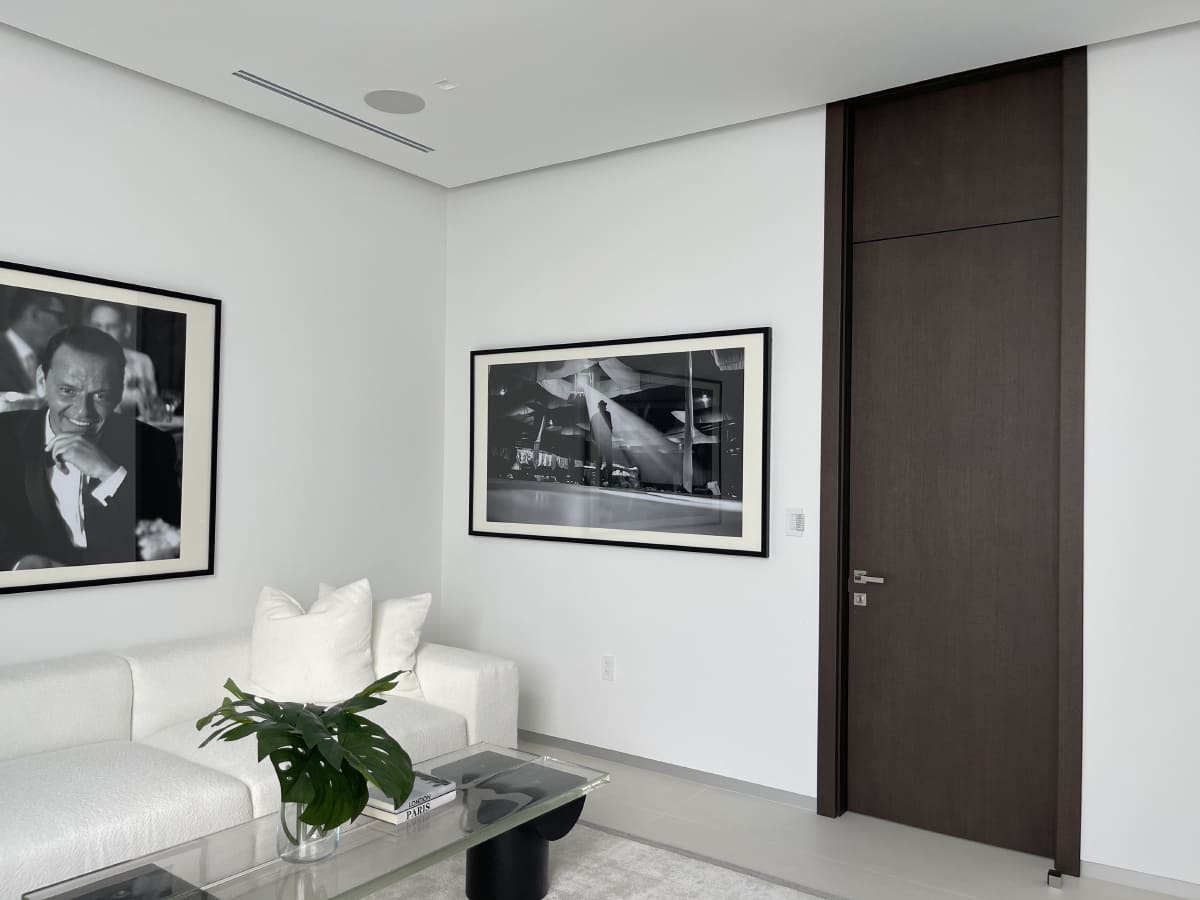
Choosing the right interior doors for a New York City apartment involves more than selecting an attractive design. Apartment owners must consider limited space, privacy, noise reduction, building regulations, durability, and installation requirements. With a wide range of contemporary designs and practical features available, European doors can be an excellent option for homeowners looking to improve both the appearance and functionality of their living spaces.
However, before purchasing European doors New York residents should understand which features matter most in an apartment environment. From door measurements and opening styles to materials, hardware, and sound insulation, several important details can influence the overall performance of a door.
1. Check the Available Space and Door Measurements
Space is one of the biggest considerations when choosing doors for NYC apartments. Many apartments have compact bedrooms, narrow hallways, and limited clearance around furniture. A traditional swinging door may take up valuable floor space, making the room feel more crowded.
Before selecting a door, measure the existing door opening, including its width, height, and depth. Also, consider the direction in which the door will open and whether it could interfere with furniture, cabinets, or nearby walls.
European door designs often include options such as sliding doors, pocket doors, and minimalist hinged systems. These styles can help homeowners make better use of available space while maintaining a clean and modern appearance.
2. Understand Different European Door Materials
The material of an interior door affects its durability, appearance, maintenance requirements, and sound-control performance. European-style doors are available in several materials, each offering different benefits.
Solid-core doors are particularly worth considering for bedrooms, home offices, and other private areas. Their heavier construction generally provides better sound reduction than lightweight hollow-core doors.
Engineered wood doors are another popular choice because they can offer dimensional stability and consistent finishes. Depending on their construction, they may also provide a balance between durability and affordability.
For homeowners interested in contemporary interiors, wood veneer doors can create a natural appearance without requiring solid timber throughout the entire door structure. Laminated finishes are also useful because they offer a variety of colors and textures with relatively simple maintenance.
The best material depends on the room’s purpose, expected usage, budget, and desired level of privacy.
3. Consider Sound Insulation and Privacy
Noise control is especially important in New York City apartments. Residents may share walls with neighbors, live near busy streets, or have family members working and relaxing in different rooms.
A well-constructed interior door can help reduce sound transmission between spaces. However, the door’s material is only one part of the equation. Its thickness, internal construction, perimeter seals, and installation quality also influence sound performance.
When comparing European doors New York suppliers offer, ask about available acoustic ratings, such as Sound Transmission Class (STC). A higher STC rating generally indicates better airborne sound reduction under standardized testing conditions.
For bedrooms and home offices, consider solid-core construction combined with suitable perimeter seals. Properly installed door frames and minimal gaps around the door can also improve acoustic performance.
It is important to remember that sound can travel through walls, ceilings, floors, and ventilation openings, so replacing a door alone will not completely soundproof a room.
4. Review NYC Building Rules and Apartment Requirements
Before ordering a new door, check whether your apartment building has specific requirements for interior door replacement. Some New York City residential buildings have management rules concerning construction work, contractor approval, delivery schedules, and alterations.
Condominium and cooperative buildings may have different approval procedures. Even when replacing an existing interior door, residents should confirm whether written permission is required.
Fire safety is another important consideration. Doors serving particular locations, including certain utility or shared building spaces, may have specific fire-rating requirements. Requirements depend on the building configuration and applicable regulations.
Do not assume that every decorative or European-style door meets these standards. Ask the supplier for relevant product documentation and consult building management or a qualified professional when necessary.
5. Choose Between Hinged, Sliding, and Pocket Doors
The opening mechanism can significantly affect how comfortably an apartment functions. Different European door systems offer different advantages depending on the available space and layout.
Hinged European Doors
Hinged doors remain a practical choice for bedrooms, bathrooms, and other enclosed rooms. Modern European designs often feature concealed hinges and flush surfaces, creating a streamlined appearance.
These doors are suitable when there is enough clearance for the door to swing without interfering with furniture or movement.
Sliding European Doors
Sliding doors move along a track rather than swinging into the room. They can be useful for closets, dressing areas, and spaces where floor clearance is limited.
However, standard sliding doors may leave small gaps around their edges, which can reduce privacy and sound insulation. Homeowners should evaluate the sealing system if noise control is important.
Pocket Doors
Pocket doors slide into a cavity inside the wall, allowing the doorway to remain unobstructed when open. They can be particularly useful in compact apartments.
Nevertheless, installing a pocket door usually requires suitable wall construction and sufficient space for the door to disappear into the wall. Plumbing, electrical wiring, and structural elements may limit installation possibilities.
6. Examine the Door Frame and Installation Quality
Even a high-quality door can perform poorly if it is installed incorrectly. The frame must be properly aligned, securely fitted, and compatible with the selected door system.
Before purchasing, confirm whether the door is supplied as a complete prehung unit or as a separate door slab. A complete system may include the frame, hinges, hardware, and other necessary components.
Check that the frame dimensions match the existing opening. Older NYC apartments may have unusual wall thicknesses, nonstandard openings, or uneven surfaces that require custom measurements.
Professional installation is particularly important for concealed hinges, flush doors, and pocket systems. Accurate installation helps prevent rubbing, uneven gaps, loose hardware, and difficulties with opening or closing.
7. Pay Attention to Hardware and Locking Systems
Door hardware affects both convenience and security. European interior doors often feature minimalist handles, concealed hinges, magnetic latches, and modern locking mechanisms.
For bedrooms and bathrooms, privacy locks can provide convenient everyday functionality. Home offices may benefit from doors with reliable latching systems that help create a more private working environment.
When selecting hardware, consider the following details:
- Handle quality: Choose durable handles that feel comfortable and operate smoothly.
- Hinge construction: Look for hinges designed to support the door’s weight.
- Magnetic latches: These can provide quieter and smoother closing compared with some traditional latches.
- Privacy locks: Select appropriate locking systems for bedrooms and bathrooms.
- Finish compatibility: Ensure that handles, hinges, and other hardware complement the door’s overall appearance.
Quality hardware can improve the daily experience while helping the door maintain its performance over time.
8. Select a Finish That Complements Your Apartment
The finish of an interior door can influence the overall appearance of a home. In NYC apartments, where natural light and floor space may be limited, choosing the right color and surface can make rooms feel more coordinated and visually open.
White and light neutral finishes work well with minimalist interiors and can help maintain a bright atmosphere. Natural wood finishes introduce warmth and complement both contemporary and traditional furniture.
For a more architectural appearance, homeowners may prefer flush doors with concealed frames. These designs create clean lines and reduce visual clutter.
Glass inserts are another option for selected interior spaces. Frosted or translucent glass can allow light to pass between rooms while offering some visual privacy. However, glass doors may not provide the same sound insulation as well-constructed solid-core doors.
Consider the existing flooring, wall colors, cabinetry, and furniture before choosing a finish.
9. Compare Custom and Standard Door Sizes
Not every NYC apartment has standard door openings. Older residential buildings may feature unusual dimensions, thick walls, or architectural details that make standard products difficult to install.
Standard-size doors are often more affordable and easier to source. However, custom European door systems may be a better solution when the opening requires special dimensions or a particular design.
Before placing an order, ask the supplier whether custom sizing is available and whether the door can accommodate your existing frame and wall thickness.
It is also important to understand production and delivery timelines. Custom doors may require additional manufacturing time, so homeowners should coordinate measurements, approvals, and installation schedules in advance.
10. Evaluate Durability and Maintenance Requirements
Interior doors are used frequently, so durability should be considered alongside appearance. A door that looks attractive in a showroom may not be the most suitable choice for a busy household.
Look for quality construction, durable surface finishes, reliable hinges, and hardware designed for regular use. Doors in high-traffic areas may need finishes that resist scratches, fingerprints, and everyday wear.
Maintenance requirements also vary by material. Laminated surfaces are generally easy to clean, while natural wood veneer may require more careful treatment to protect its finish.
Ask the supplier about recommended cleaning products, warranty coverage, replacement hardware, and long-term maintenance requirements before making a final decision.
11. Understand the Complete Cost of Purchasing and Installation
The purchase price is only one part of the total cost of replacing interior doors. Homeowners should also consider delivery, hardware, frames, installation labor, and any necessary modifications to existing openings.
Custom measurements, concealed frames, specialized hinges, and pocket-door installations may increase project expenses.
Request a detailed quotation that identifies exactly what is included. Confirm whether measurements, delivery, installation, finishing, and hardware are part of the quoted price.
Comparing complete project estimates rather than individual door prices makes it easier to understand the actual investment and avoid unexpected expenses.
12. Ask the Right Questions Before Ordering
Before purchasing European interior doors, take time to discuss your requirements with the supplier or installer. Asking specific questions can help prevent problems after delivery.
Consider asking:
- Are the doors available in standard and custom dimensions?
- What materials and core constructions are offered?
- Are acoustic performance ratings available?
- Do the doors include frames, hinges, and handles?
- Can the selected system accommodate existing wall thicknesses?
- Are professional measurement and installation services available?
- What warranty applies to the door and hardware?
- What are the expected manufacturing and delivery timelines?
Clear answers help you compare products and choose a door system that suits your apartment’s layout and everyday requirements.
Conclusion
Choosing interior doors for a New York City apartment requires careful attention to space, privacy, noise reduction, materials, hardware, and building requirements. A stylish door should also function comfortably within the apartment’s existing layout and provide dependable performance over time.
By evaluating measurements, comparing door construction, understanding installation requirements, and reviewing the complete project cost, homeowners can make more informed purchasing decisions. Whether you prefer minimalist hinged doors, space-saving sliding systems, or contemporary flush designs, the right European door can improve both the appearance and functionality of your home.
When exploring European doors New York options, prioritize quality construction, suitable acoustic performance, reliable hardware, and professional installation. These considerations will help you select a door that complements your apartment while supporting everyday comfort, privacy, and long-term value.
