



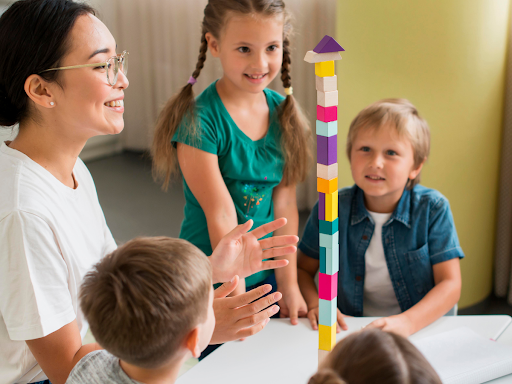
Play is an important part of childhood, giving children opportunities to learn, practise new skills, and understand the world around them. From building with blocks to playing pretend, everyday activities can help children develop coordination, problem-solving abilities, and independence. Occupational therapy Parramatta services can help families understand how purposeful play may support children who experience difficulties with everyday activities.
Children learn through different types of play, and the activities that interest one child may not appeal to another. At Kool KATTS, understanding each child’s individual needs can help guide families toward suitable support and enjoyable opportunities to practise skills at their own pace.
How Play Supports Children’s Development
Play gives children opportunities to practise physical, sensory, and social skills in familiar environments. Different activities encourage different abilities, depending on the child’s age, interests, and developmental needs.
1. Fine Motor Skills and Hand Coordination
Fine motor skills involve the small muscles of the hands and fingers. Children use these skills when drawing, turning pages, handling utensils, and completing everyday tasks.
Activities such as building with blocks, playing with modelling dough, completing simple puzzles, and drawing can provide opportunities to practise hand control and coordination.
Choose activities suited to your child’s abilities and allow enough time for them to experiment. The aim is to encourage participation rather than expect perfect results.
2. Gross Motor Skills and Coordination
Gross motor skills involve larger muscle groups used for walking, running, jumping, and balancing. These movements help children participate in playground activities and other physical play.
Parents can encourage movement through dancing, kicking a ball, playing simple movement games, or creating a safe obstacle course.
Keep activities enjoyable and adjust their difficulty to suit your child’s abilities. Supervision is important, particularly when activities involve climbing, balancing, or moving around obstacles.
3. Sensory Exploration
Play allows children to experience different textures, sounds, movements, and materials. For example, children might play with water, listen to music, handle textured materials, or experiment with age-appropriate art supplies.
Children respond to sensory experiences differently. If your child dislikes a particular texture or sound, avoid forcing participation. Instead, offer alternatives and respect their comfort level.
If sensory responses consistently interfere with dressing, eating, play, or other daily activities, consider discussing your concerns with a qualified health professional.
4. Communication and Social Skills
Playing with parents, siblings, and peers creates opportunities to practise communication and interaction. Children can learn to take turns, express preferences, share materials, and respond to other people’s ideas.
Simple activities, such as rolling a ball back and forth, building something together, or taking turns during pretend play, encourage interaction in a natural setting.
Allow children to participate in ways that suit their communication abilities and comfort levels. Some may enjoy group activities, while others prefer starting with one familiar playmate or an adult.

How Occupational Therapy Uses Play to Support Children
Paediatric occupational therapy can use play-based activities to help children practise skills connected to everyday tasks. A therapist considers the child’s strengths, interests, and challenges before selecting activities that support individual goals.
For example, a child who finds hand coordination difficult may practise manipulating suitable toys or completing simple craft activities. A child who struggles with dressing may use dolls or pretend-play routines to practise parts of the process.
The therapist may adjust the activity, materials, or level of assistance to make participation more manageable. The focus is on helping the child practise skills that are relevant to daily life, rather than simply completing an activity.
Parents can support this process by sharing observations about the activities their child enjoys, avoids, or finds challenging at home, preschool, or school.
Five Ways Parents Can Encourage Learning Through Play
You do not need expensive toys or complicated activities to give your child opportunities to practise new skills. Everyday play can be a useful starting point.
- Follow your child’s interests. Choose activities that appeal to your child, such as drawing, building, music, or pretend play. Familiar interests can encourage participation.
- Encourage problem-solving. Give your child time to try different ways to complete a puzzle, build a tower, or organise toys before stepping in to help.
- Adjust activities to suit their abilities. If an activity is too difficult, simplify it or break it into smaller steps. Introduce additional challenges gradually when your child is ready.
- Allow time for independent play. When appropriate for your child’s age and safety needs, provide opportunities to explore and make choices without directing every step.
- Recognise effort. Encourage persistence and acknowledge attempts to learn new skills. Avoid comparing your child’s progress with that of other children.
Play should remain enjoyable rather than feel like a test. If an activity causes repeated frustration or distress, consider simplifying it or choosing something more suitable.
When Might a Child Need Additional Support?
Children develop at different rates, and occasional difficulty with a new activity is not necessarily a cause for concern. However, parents may wish to seek professional advice when persistent challenges interfere with everyday participation.
For example, a child may regularly struggle to use play materials, coordinate movements during activities, manage sensory experiences, or participate in age-appropriate daily routines.
These difficulties do not automatically indicate a developmental disorder. If you have concerns, note the situations in which they occur and discuss them with an appropriate health professional. An assessment can help determine whether additional support may be useful.
Helping Children Learn Through Everyday Play
Play gives children opportunities to practise coordination, communication, problem-solving, and everyday skills. By following their interests, adapting activities to their abilities, and allowing time for exploration, parents can encourage learning while keeping play enjoyable.
For families considering occupational therapy Parramatta, understanding the role of play can provide a useful starting point for recognising how everyday activities relate to a child’s individual needs. An occupational therapist Parramatta that families consult can help identify suitable activities and strategies to support children’s participation in everyday routines. Kool KATTS provides paediatric allied health services for children and families with individual developmental needs.
Every child has individual strengths and interests. When ongoing difficulties affect participation in daily activities, appropriate professional guidance can help families understand their child’s needs and identify suitable ways to support them.
Kool KATTS
Level 4/460 Church Street, Parramatta NSW 2150
Phone: 02 9129 2866
Website: https://koolkatts.com.au
