



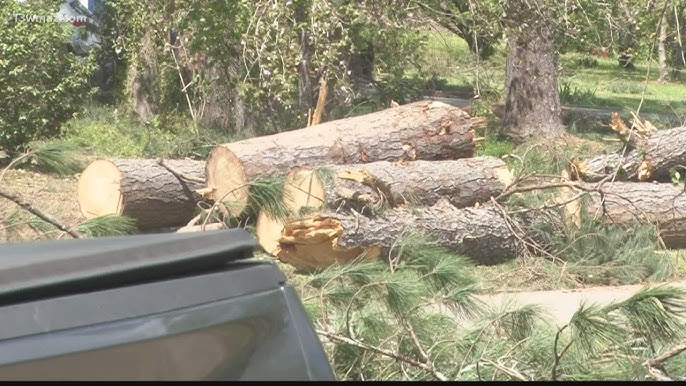
Clearing trees from a property may seem like a simple task, especially if you own the land. However, in many regions, tree removal is regulated by local laws to protect the environment, prevent soil erosion, and preserve natural habitats. Because of this, whether or not you need a permit depends on several important factors, including your location, the number of trees, and the purpose of clearing.
Understanding these rules before starting any land clearing project can save you from fines, legal issues, and delays.
When Do You Need a Permit to Remove Trees?
In most areas, a permit is required if you plan to remove trees that meet certain conditions. These often include:
- Trees above a specific height or trunk diameter
- Protected or endangered tree species
- Trees located in urban or environmentally sensitive zones
- Large-scale clearing for construction or development
Local municipal or forestry authorities usually set these rules. Even if you own private land, regulations may still apply.
Key Factors That Determine Permit Requirements
Several factors influence whether a permit is necessary:
1. Location of the Property
Urban areas typically have stricter rules compared to rural or agricultural land.
2. Type and Age of Trees
Older trees or native species are often protected due to their ecological importance.
3. Purpose of Tree Removal
Clearing trees for construction, farming, or commercial development usually requires formal approval.
4. Environmental Impact
If the removal could lead to soil erosion, flooding, or habitat loss, authorities are more likely to require a permit.
Penalties for Removing Trees Without Permission
Removing trees without proper authorization can lead to serious consequences, including:
- Heavy fines based on the number and type of trees removed
- Legal action from local authorities
- Orders to replant trees or restore the land
- Project delays or suspension of construction work
These penalties exist to discourage unauthorized deforestation and protect the environment.
Exceptions Where Permits May Not Be Required
There are some situations where permits are not always necessary:
- Removing dead or hazardous trees that pose safety risks
- Small-scale trimming or pruning
- Agricultural maintenance in designated farming zones
- Emergency removal after storms or natural disasters
However, even in these cases, it is often recommended to notify local authorities before proceeding.
How to Check Local Requirements Before Clearing Land
Before starting any tree removal project, it is important to:
- Contact your local municipal office or environmental department
- Review regional forestry regulations
- Consult a certified arborist or land clearing professional
- Confirm whether protected species are present on your property
Taking these steps ensures you remain compliant with local laws and avoid unnecessary complications.
Important Note on Local Services
If you are searching for professional assistance with tree removal or land preparation, many people begin by looking for services using terms like land clearing near me. However, even when hiring professionals, it is still your responsibility as the landowner to ensure that all required permits are obtained before any work begins.
Conclusion
Whether or not you need a permit to clear trees depends on multiple factors such as location, tree type, and intended land use. While some minor removals may not require approval, many situations do, especially in regulated or environmentally sensitive areas. Always check with local authorities before starting any clearing work to stay compliant and protect both your property and the environment.
