



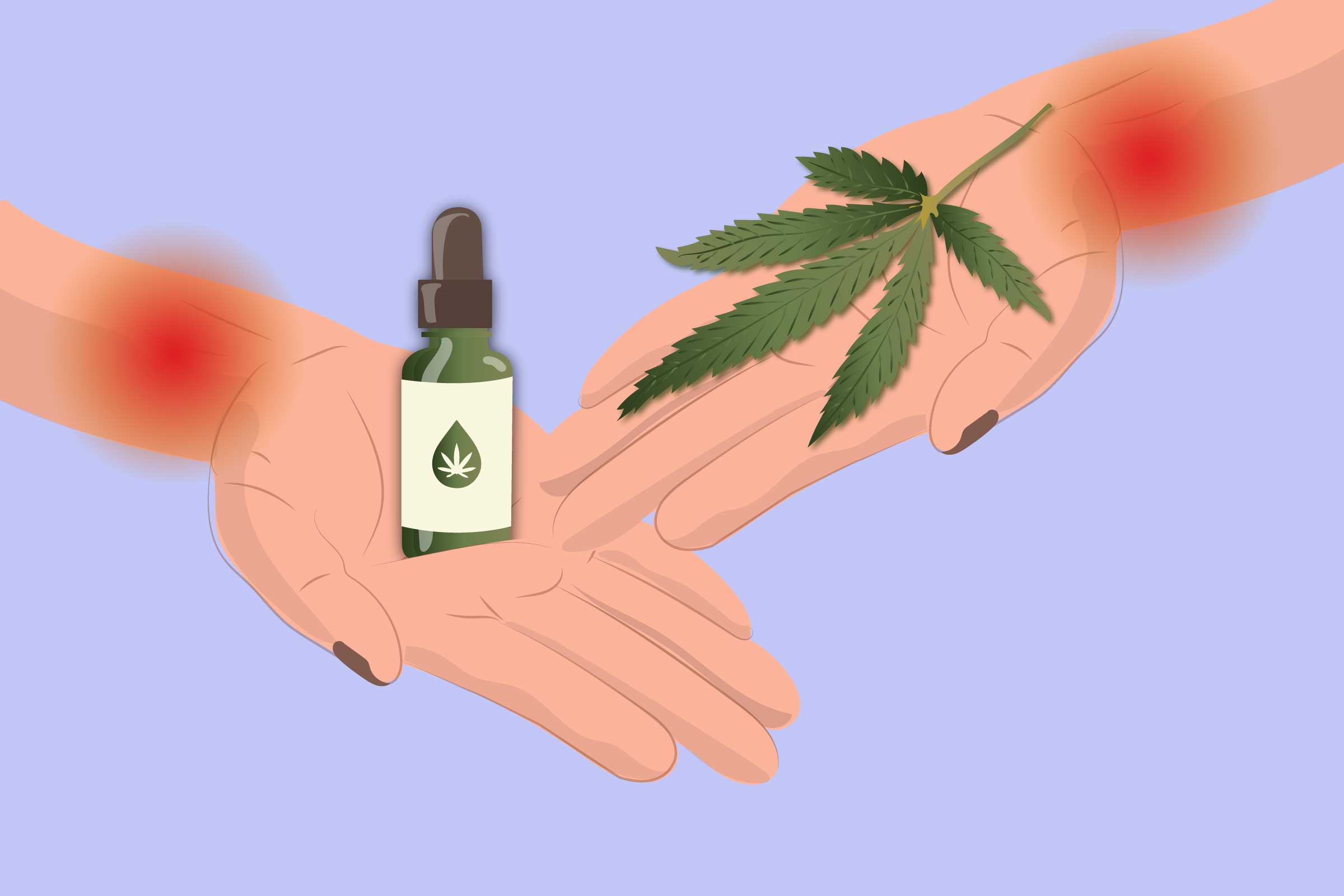
Cannabis, often called weed, marijuana, or pot, is one of the most widely used psychoactive plants in the world. Despite its popularity, many people still don’t fully understand what it is, how it affects the body, or why it produces its characteristic “high.” This article breaks down the science, effects, and broader context of cannabis in a clear and informative way.
What Cannabis Actually Is
Cannabis is a plant that contains naturally occurring chemical compounds known as cannabinoids. The two most well-known cannabinoids are:
- THC (Tetrahydrocannabinol) – the compound responsible for the “high”
- CBD (Cannabidiol) – a non-intoxicating compound often associated with calming or therapeutic effects
Different strains of cannabis contain varying levels of THC and CBD, which is why the effects can feel very different from one product to another.
How Cannabis Works in the Brain
Cannabis interacts with a system in the human body called the endocannabinoid system (ECS). This system helps regulate mood, memory, appetite, pain, and sleep.
When THC enters the body, it binds to cannabinoid receptors in the brain—especially CB1 receptors. This alters normal communication between neurons, which can result in:
- Euphoria or a “high”
- Altered perception of time
- Increased appetite (“munchies”)
- Relaxation or sedation
- Short-term memory disruption
CBD, on the other hand, does not strongly bind to these receptors but may influence them indirectly, often producing calming or anti-anxiety-like effects without intoxication.
Why People Use Cannabis
People consume cannabis for a variety of reasons, including:
- Recreational relaxation and mood enhancement
- Relief from stress or anxiety
- Pain management
- Sleep support
- Social or cultural use
However, effects vary significantly depending on dosage, individual biology, and method of use.
Short-Term and Long-Term Effects
Short-Term Effects
- Altered sensory perception
- Increased heart rate
- Dry mouth and red eyes
- Impaired coordination
- Changes in mood or anxiety levels
Long-Term Effects (with frequent use)
- Potential memory and attention issues
- Dependence in some users
- Reduced motivation in heavy, long-term use cases
- Possible respiratory issues when smoked
Not everyone experiences long-term effects, but risk increases with frequent and high-dose consumption.
Risks and Safety Considerations
While cannabis is often perceived as relatively mild, it is not risk-free. High THC levels can sometimes lead to:
- Anxiety or panic reactions
- Paranoia
- Impaired judgment
- Accidental overconsumption (especially with edibles)
Responsible awareness of dosage and setting plays a major role in reducing negative experiences.
Legality and Misconceptions
Cannabis laws vary widely across countries and even regions. In some places it is legal for medical or recreational use, while in others it remains strictly prohibited.
This is why searches like “where to get pot” are common online. However, availability is entirely dependent on local laws, and in many regions seeking or purchasing cannabis outside legal frameworks can lead to serious legal consequences. Understanding your local regulations is essential before engaging with cannabis in any form.
Final Thoughts
Cannabis is a complex plant with both recreational and medicinal properties. Its effects come primarily from how THC and CBD interact with the body’s endocannabinoid system, influencing mood, perception, and physical sensation. While it can be enjoyable or therapeutic for some, it also carries risks—especially with frequent or irresponsible use.
A clear understanding of what cannabis is and how it works helps separate fact from myth and encourages safer, more informed decisions.
