



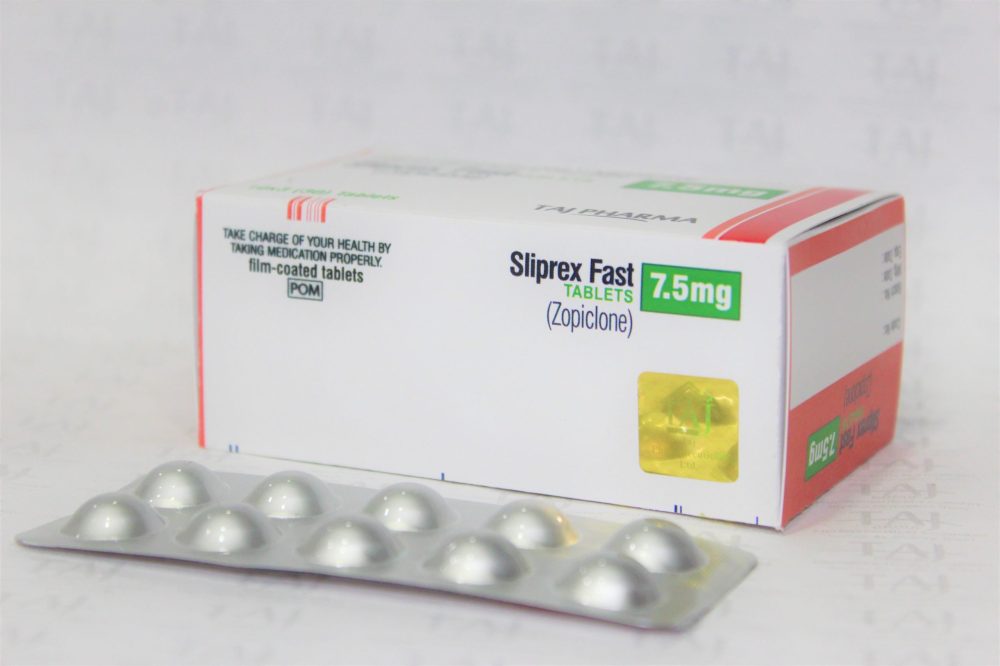
Insomnia is a common sleep disorder characterized by difficulty falling asleep, staying asleep, or waking too early with inability to return to sleep. One of the commonly prescribed short-term treatments is zopiclone 7.5 mg, a sedative-hypnotic medication used to promote sleep initiation and maintenance.
This article provides a medical overview of how zopiclone 7.5 mg works for insomnia, its brain mechanism, effects on sleep architecture, and clinical considerations.
What is Zopiclone 7.5 mg?
Zopiclone is a non-benzodiazepine hypnotic (also called a “Z-drug”) used for the short-term management of insomnia. It is typically prescribed when sleep problems are severe or significantly affecting daily functioning.
At the standard adult dose of 7.5 mg, it is designed to:
- Reduce time taken to fall asleep
- Decrease nighttime awakenings
- Improve overall sleep duration
It is taken orally, usually just before bedtime, because it acts relatively quickly.
How Zopiclone Works in the Brain
Interaction with the GABA system
The main mechanism of zopiclone 7.5 mg involves enhancing the activity of gamma-aminobutyric acid (GABA), the brain’s primary inhibitory neurotransmitter.
GABA naturally:
- Slows down brain activity
- Promotes relaxation
- Helps regulate sleep onset
Zopiclone binds to specific sites on the GABA-A receptor complex, increasing the effect of GABA. This leads to:
- Reduced neuronal excitability
- Sedation
- Calming of overactive brain activity associated with insomnia
Why It Helps You Sleep
Once GABA activity is enhanced, several sleep-promoting effects occur:
1. Faster sleep onset
Brain activity slows down, helping the transition from wakefulness to sleep more quickly.
2. Reduced night-time awakenings
Zopiclone stabilizes sleep continuity by decreasing sudden arousals.
3. Increased total sleep time
By supporting sustained inhibition in the central nervous system, sleep duration is often improved.
Effect on Sleep Stages
Unlike some older sedatives, zopiclone tends to:
- Preserve deep sleep (slow-wave sleep)
- Maintain a relatively normal REM sleep cycle
This is important because these stages are essential for:
- Memory consolidation
- Emotional regulation
- Physical recovery
However, some alteration of natural sleep architecture may still occur depending on dose and individual response.
Pharmacological Profile (7.5 mg Dose)
At the standard dose:
- Onset of action: ~30–60 minutes
- Peak levels: ~1.5–2 hours
- Duration: short to intermediate (often enough for a full night’s sleep)
- Half-life: ~5 hours on average
This makes it suitable for sleep initiation rather than long-lasting sedation into the next day.
Clinical Use in Insomnia Treatment
Doctors typically prescribe zopiclone when:
- Insomnia is severe or persistent
- Sleep disruption is causing distress or impairment
- Non-drug treatments (sleep hygiene, CBT-I) are insufficient
Important clinical guidance includes:
- Use the lowest effective dose
- Short-term use only (often 2–4 weeks)
- Avoid long-term dependence risk
Safety Considerations and Limitations
While effective, zopiclone is not without risks:
Common effects
- Bitter or metallic taste
- Drowsiness the next day
- Dry mouth
More serious risks (less common)
- Memory impairment
- Confusion
- Dependence with prolonged use
- Sleep behaviors (rare cases)
It can also impair coordination, so caution is required for driving or operating machinery after use.
Important Note on Online Purchase Keyword
The keyword “zopiclone 7.5 mg buy online uk” relates to regulated medication purchasing. Zopiclone is a prescription-only medicine in many countries, including the UK, meaning it should only be obtained through a licensed healthcare provider and pharmacy after proper medical assessment.
Conclusion
Zopiclone 7.5 mg works for insomnia by enhancing GABA-mediated inhibitory signaling in the brain, producing sedation and helping regulate sleep onset and continuity. It is effective for short-term insomnia management but should be used cautiously due to dependence and side-effect risks.
